
Fruit sugars ‘may worsen food cravings
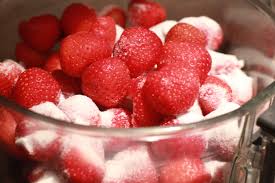
Fructose, the sugar found in fruit, may increase cravings for high-calorie foods, according to researchers.
In a small experiment, 24 volunteers consumed a sugary drink sweetened with fructose on one day and glucose on another day.
Compared with glucose, the fructose drink led to more hunger and desire for treats such as biscuits and sweets.
The findings suggest different sugars may affect us differently. Nutrition experts say more studies are needed.
They say we should all think carefully about how much sugar we eat. But whole fruit is good for us and contains much more than simply fructose.
Fruit contains fibre, vitamins and minerals and is a healthy alternative to foods high in added sugars and fat.
Pure fruit juices contain a lot of sugar so a small 150ml glass per day is ample.
Sugar appears in food under different names – maltose, glucose, fructose, sucrose, lactose, dextrose, honey, syrups, treacle, sugar cane and sugar beet.
The World Health Organization says eating a small amount each day – around six teaspoons – is fine.
The sugary foods we should cut down on, say experts, are sweets, cakes, biscuits, chocolate, and some fizzy drinks and juice drinks.
Although fructose and glucose contain the same energy or calories, the body breaks these sugars down in different ways.
Fructose used in sweetened foods has received lots of bad press in recent years, with many blaming it for rising rates of obesity.
Others point out that since fructose is sweeter than table sugar, less is needed to achieve the same sweetness, offering calorie savings.
Priya Tew from the BDA explained: “Eating fructose and glucose in isolation is very different to eating them within the context of a food where we have other nutrients that interact and can affect digestion.
“For example, fructose in fruit is tied up within the cellular structure of that fruit and the fibre content slows down the release of the fructose into the bloodstream. Fruit also has high water content and takes a while for us to chew and digest so the fructose is not instantly released.”
Source: BBC
N.H.Khider