
Faster digestion in kangaroos reduces methane emissions
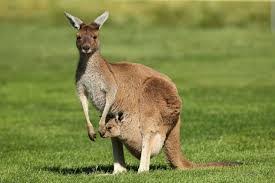
Animals produce methane during the digestion process — some more than others. Currently, around 20 percent of the world’s methane emissions stem from ruminants. If this gas is released into the atmosphere, it aggravates the greenhouse effect and aids global warming. Previous studies revealed that ruminants, which include cows and sheep, release more methane into the environment than kangaroos, for instance — even though the latter also possess a foregut, where bacteria break down the plant fibers and produce methane (much like in a cow’s rumen). Exactly why kangaroos produce less methane, however, remained a mystery. The belief was that a different intestinal flora composition to a cow’s was responsible.
Researchers studied the previous assumptions from a different angle. The team measured how much methane kangaroos emit per food intake. “If you consider the absolute volume of methane per body size, kangaroos produce about as much as horses or ostriches — i.e. significantly less than cows,” explains Marcus Clauss. “If the gas production is correlated with the amount of food ingested, however, the amount of methane is higher and therefore closer to the ruminants again. In other words, the digestion process itself in kangaroos is not all that different to a cow’s.”
Different conditions for bacteria
Moreover, the researchers discovered that the amount of methane per food intake can vary in the space of a few days. “If the animals eat less, i.e. the food remains in their foregut for longer and the bacteria have more time to digest, they produce more methane per food intake,” says Adam Munn.
The researchers conclude that differences between species are more down to the conditions that the intestinal bacteria are exposed to than the exact type of these bacteria. Under normal conditions, kangaroos digest more rapidly than cows. “If we want to reduce methane production in cows, the question is whether they can be bred so that parts of the food don’t remain in the rumen for as long,” say the researchers.
Source :Science daily
N.H.Kh