
With Syria’s participation, Arab aviation institutions discuss enhancing cooperation and exchanging expertise
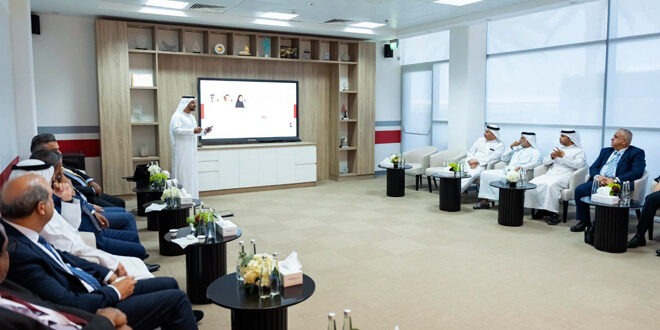
Syria participated in the activities of the third session of the International Civil Aviation Leaders Program organized by the UAE General Civil Aviation Authority during the period from the 18th to the 21st of this month.
The program was attended by ministers concerned with air transport, heads and directors of Arab civil aviation institutions, and delegations from more than 20 countries. The Director of the Syrian Civil Aviation Authority, Eng. Basem Mansour, explained that Syria’s participation in the program comes within the framework of enhancing cooperation between Arab aviation institutions, exchanging expertise, exploring future trends in aviation technology and sustainability, and continuing joint work and cooperation with Arab countries to push the civil aviation sector to new, more advanced and prosperous levels.
Mansour pointed out that Syria’s participation reflects its keenness on Arab cooperation and affirming its effective and pioneering role in supporting regional and international efforts to enhance cooperation in the field of civil aviation to build a sustainable future for civil aviation in the region, especially since the program is an important platform for exchanging expertise between leaders of the civil aviation sector in the Arab region.
The Director of the Syrian Civil Aviation Authority commended the UAE’s efforts in developing and growing civil aviation, based on the best global practices and gathering an elite group of leaders, experts and specialists in air transport, and keenness to transfer knowledge and share the best achievements in the field of civil aviation with Arab countries.
The third edition of the program included discussing key themes through important strategic workshops and presentations, including governmental transformation, global trends, strategic planning, and economic goals related to civil aviation, with a focus on the most prominent developments in the fields of safety, security and integration between aviation and tourism and their role in achieving economic goals.
The program also discussed the available opportunities and planning for parallel growth in aviation, and the dynamic roles of the aviation and space sectors in shaping national innovation strategies and supporting development.
The program was attended by ministers concerned with air transport, heads and directors of Arab civil aviation institutions, and delegations from more than 20 countries. The Director of the Syrian Civil Aviation Authority, Eng. Basem Mansour, explained that Syria’s participation in the program comes within the framework of enhancing cooperation between Arab aviation institutions, exchanging expertise, exploring future trends in aviation technology and sustainability, and continuing joint work and cooperation with Arab countries to push the civil aviation sector to new, more advanced and prosperous levels.
Mansour pointed out that Syria’s participation reflects its keenness on Arab cooperation and affirming its effective and pioneering role in supporting regional and international efforts to enhance cooperation in the field of civil aviation to build a sustainable future for civil aviation in the region, especially since the program is an important platform for exchanging expertise between leaders of the civil aviation sector in the Arab region.
The Director of the Syrian Civil Aviation Authority commended the UAE’s efforts in developing and growing civil aviation, based on the best global practices and gathering an elite group of leaders, experts and specialists in air transport, and keenness to transfer knowledge and share the best achievements in the field of civil aviation with Arab countries.
The third edition of the program included discussing key themes through important strategic workshops and presentations, including governmental transformation, global trends, strategic planning, and economic goals related to civil aviation, with a focus on the most prominent developments in the fields of safety, security and integration between aviation and tourism and their role in achieving economic goals.
The program also discussed the available opportunities and planning for parallel growth in aviation, and the dynamic roles of the aviation and space sectors in shaping national innovation strategies and supporting development.
NR