
West Sanctions Hitting Syrian Kids’ Cancer Treatment: WHO
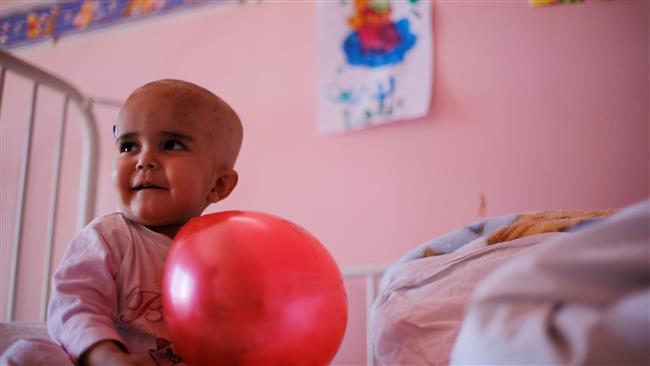
Western sanctions on Syria are seriously impacting the treatment of children with cancer, say local and World Health Organization (WHO) officials, according to Press TV.
“The impact of economic sanctions imposed on Syria heavily affected the procurement of some specific medicine, including anti-cancer medicines,” said the WHO representative in Syria, Elizabeth Hoff.
Before the terrorist war, Syria produced 90 percent of the medicines it needed but anti-cancer drugs were among those where it traditionally relied on imports.
Syria has been under an array of sanctions imposed by the US and the European Union, which claim they have included exemptions for medicines and other humanitarian supplies for Syria, rejecting criticisms of sanctions.
“Such measures are not aimed at the civilian population,” an EU spokeswoman claimed. “EU sanctions do not apply to key sectors of the Syrian economy such as food and medicine.”
However, the sanctions are affecting trade in pharmaceuticals due to restrictions on financial transactions and business with the Syrian government.
The sanctions are preventing many international pharmaceutical companies from dealing with the Syrian authorities as well as hindering foreign banks’ handling of payments for imported drugs, Hoff said.
The WHO official added that in addition to cancer medication, there were critical shortages of insulin, anesthetics, specific antibiotics needed for intensive care, serums, intravenous fluids and other blood products and vaccines.
Meanwhile, the head of the Damascus hospital, Maher Haddad, also blamed sanctions for the lack of much-needed medication.
“Most of the cancer medicines are imported. Pharmex (the company that buys drugs for hospitals across Syria) used to import medicines that public hospitals need. But it has not been able to do so largely because of the economic sanctions, I believe,” he said.
This comes as six years of foreign-backed militancy has heavily affected the Syrian health service, once one of the best in the Middle East.
According to WHO, only 44 percent of hospitals are now fully functioning across Syria and more than a quarter are not working at all as a result of the war.
H.M