
Volcanoes helped species survive ice ages
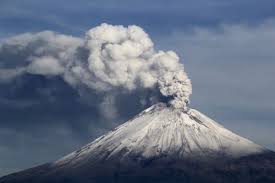
An international team of researchers has found evidence that the steam and heat from volcanoes and heated rocks allowed many species of plants and animals to survive past ice ages, helping scientists understand how species respond to climate change.
The research could solve a long-running mystery about how some species survived and continued to evolve through past ice ages in parts of the planet covered by glaciers.
The team, led by Dr Ceridwen studied tens of thousands of records of Antarctic species, collected over decades by hundreds of researchers, and found there are more species close to volcanoes, and fewer further away.
“Volcanic steam can melt large ice caves under the glaciers, and it can be tens of degrees warmer in there than outside. Caves and warm steam fields would have been great places for species to hang out during ice ages,” Dr Fraser said.
“We can learn a lot from looking at the impacts of past climate change as we try to deal with the accelerated change that humans are now causing.”
While the study was based on Antarctica, the findings help scientists understand how species survived past ice ages in other icy regions, including in periods when it is thought there was little or no ice-free land on the planet.
Antarctica has at least 16 volcanoes which have been active since the last ice age 20,000 years ago.
The study examined diversity patterns of mosses, lichens and bugs which are still common in Antarctica today.
Professor Peter Convey said around 60 per cent of Antarctic invertebrate species are found nowhere else in the world.
“They have clearly not arrived on the continent recently, but must have been there for millions of years. How they survived past ice ages — the most recent of which ended less than 20,000 years ago — has long puzzled scientists,” Professor Convey said.
Dr Terauds says the patterns are striking.
“The closer you get to volcanoes, the more species you find. This pattern supports our hypothesis that species have been expanding their ranges and gradually moving out from volcanic areas since the last ice age,” Dr Terauds said.
Professor Steven Chown, says the research findings could help guide conservation efforts in Antarctica.
“Knowing where the ‘hotspots’ of diversity are will help us to protect them as human-induced environmental changes continue to affect Antarctica,” Professor Chown said.
Source :Science Daily
N.H.Khider