
UN official: Coercive measures against Syria affected all aspects of life and cut off the means for economic recovery
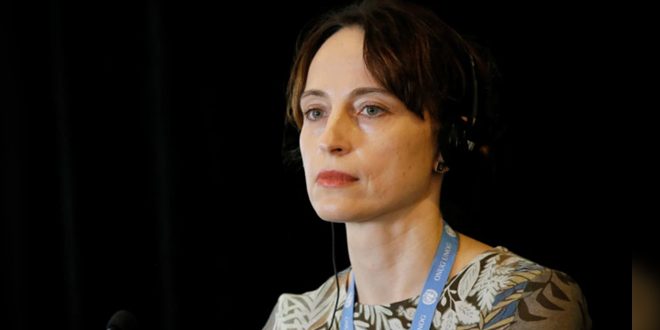
Douhan, the United Nations Special Rapporteur on the negative impact of unilateral sanctions on human rights, called in a preliminary report at the end of her 12-day visit to Syria to immediately lift the unilateral and coercive measures imposed on Syria, expressing her shock at the massive and widespread impact of these measures which cannot be justified in accordance with international law.
Douhan said in the report published by the United Nations: The unilateral coercive measures and the severe economic pressures resulting from them affected all aspects of life and sectors in Syria, both primary and secondary, including oil, gas, electricity, trade, construction, health, education and culture. The unilateral coercive measures also undermined efforts towards economic recovery and reconstruction.
Douhan described continuing to impose unilateral measures against Syria as crimes against humanity and against the entire Syrian people, stressing that there is no justification for violating basic human rights or the international obligations of states towards Syria and the Syrian people, whether this justification is based on the so-called the “good faith principle” as long as these actions were unilateral and had negative humanitarian consequences.
Douhan referred to the massive pressure campaigns launched by some countries against anyone who dealt with the Syrian public institutions or participated in the reconstruction in Syria including the threat of punishment, stressing that these campaigns are inconsistent with international law and the principles of equality in sovereignty as well as the political independence of states and the human rights.
The UN rapporteur also drew attention to the serious repercussions resulting from the trade restrictions imposed against Syria and the foreign companies and financial institutions that deal with Syria, indicating that the intensification of these measures “closed all remaining avenues for economic recovery in Syria.”
With regard to the multifaceted negative effects of the coercive measures against Syria, Douhan clarified, in detail in her report, the direct repercussions on most sectors, including the inability of many Syrians to access food, water, electricity, fuel, transportation, necessary health care, medicine, specialized medical equipment. especially for chronic and rare diseases, in addition to obstructing the Syrian government’s efforts to possess the necessary resources to maintain and improve basic infrastructure and vital projects to meet the needs of the population, especially in remote and rural areas.
In her report, Douhan touched on the unilateral measures imposed on the Central Bank and public financial institutions in Syria, and the obstruction they caused to transactions related to imports and exports, including foodstuff, medicine, spare parts, raw materials, and materials necessary for the country’s needs, economic recovery, and restricting the flow of foreign currency.
Douhan pointed to the similar challenges that the coercive measures led to, with regard to the distribution of drinking and irrigation water, which declined due to the number of damaged facilities and the direct effects of unilateral measures which restrict the purchase of equipment and spare parts needed to repair, maintain and develop water supply networks, which leads to water pollution.
The UN official also pointed to the direct impact of coercive measures on the health sector, starting with the electricity supply that affects medical operations and operating equipment, and the shortage of medical devices, medicines, and the inability to import raw materials and laboratory material.
NR