
The Great Syrian September: Mouneh Madness Meets Back-to-School Blitz: Who Wins?
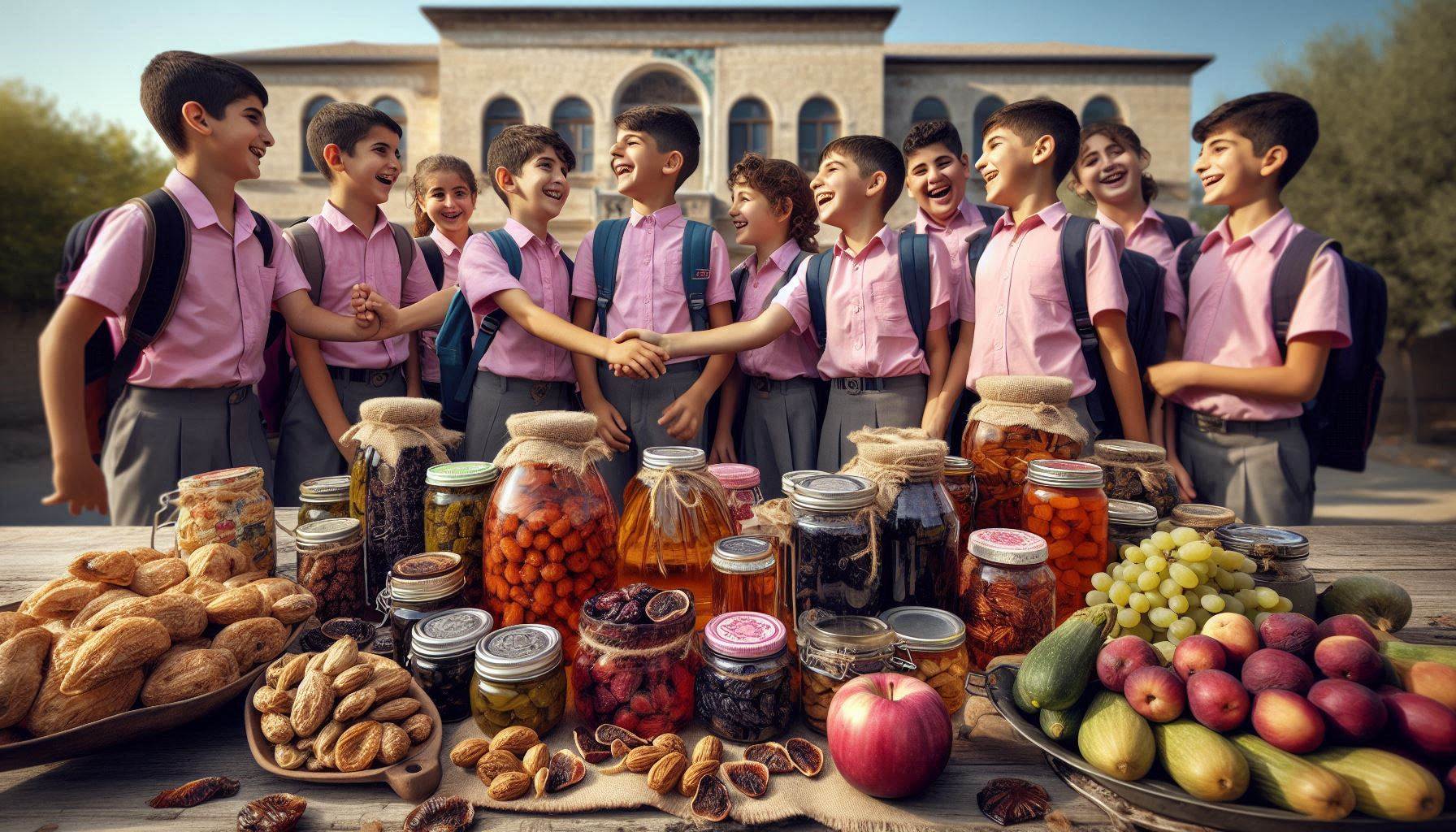
As the summer heat begins to wane and September rolls in, Syria finds itself in the midst of two monumental seasons: the feverish back-to-school rush and the cherished tradition of Mouneh preparations.
Mouneh refers to the process of preserving and preparing a variety of foods to last through the winter, ensuring that families have a supply of nutritious and flavorful ingredients when fresh produce becomes scarce. Towards the end of summer, from late August through September, this period is commonly referred to in everyday Syrian dialect as the “Mouneh season”.
It’s a time when families are caught in a delightful yet demanding dance, balancing their desire to provide the best educational opportunities for their children with the need to prepare for a winter filled with the rich flavors and aromas of summer. So, who will win this September showdown: the Makdous or the school bag?
ROUND 1: The Tradition of Mouneh Preparations
Mouneh preparations are a time-honored tradition in Syria, where families come together to prepare and preserve a variety of foods to last through the winter. This practice is essential in a country where fresh produce can become scarce during the colder months, and electricity shortages mean power cuts for more than three-quarters of the day. As a result, Syrians are increasingly turning to their grandmothers’ recipes to preserve colorful, fresh summer-harvested vegetables, fruits, and grains in a well-organized and efficient way to sustain them through the winter. The kitchen becomes a hive of activity, with everyone pitching in to create:
- Makdous: Baby eggplants stuffed with walnuts, garlic, and red pepper, then preserved in olive oil. A winter staple that brings a burst of flavor to any meal.
- Summer Fruits Jams: Figs, cherries, peaches, pumpkin, apricots, and other summer fruits are transformed into sweet jams, capturing the essence of summer to be savored in the cold months.
- Debes (Grape Molasses): A thick, sweet syrup made from concentrated grape juice, perfect as a sweetener or dessert with tahini (sesame oil).
- Pomegranate Molasses: This tangy syrup, made from reduced pomegranate juice, adds a unique flavor to salads and stews.
- Olive Preservation: Fresh olives are harvested, cured, and sometimes stuffed with garlic or almonds. Olive oil production is also in full swing, a key ingredient in Syrian cuisine.
- Bulgur Wheat: Harvested and processed into bulgur, a staple grain used in dishes like tabbouleh and kibbeh.
- Keshk: A nutrient-rich, flour-like soup base made from yogurt and bulgur. These ingredients are mixed, sun-dried, and then ground into powder. Keshk, which dates back to the 10th century, is prepared at the end of summer after the wheat harvest. It’s very warming in winter when cooked with chopped onions, potatoes and meat.
- Drying Vegetables: Sun-dried tomatoes, dried Mulukhiyah (jute leaves), dried okra, and dried garlic and onions. These dried vegetables can be used in various dishes, adding depth and flavor.
- Fermenting: Classic pickles from cucumbers and fermented chili peppers, which can be used to make spicy condiments.
These methods ensure that families have a variety of preserved foods to enjoy throughout the winter. It’s a wonderful tradition that combines practicality with culinary creativity, preserving the rich culinary heritage of Syria.
ROUND 2: The Back-to-School Rush
At the same time, the back-to-school rush demands attention. In Syria, education is highly valued and regarded as a source of pride. Parents are deeply committed to providing their children with the best possible education, often making significant financial sacrifices to ensure their children excel academically. This dedication is reflected in their efforts to save money throughout the year to purchase high-quality school supplies each September. By doing so, they aim to encourage their children to excel in their studies and ensure they feel comfortable and confident among their peers.
During this season, parents face immense pressure to ensure their children have all the necessary school supplies, uniforms, and other essentials. This task is made even more challenging by the high rates of inflation and economic pressures resulting from the ongoing crisis in Syria. Despite these hardships, parents strive to find the best schools for their children. If they have the resources, they may opt for private tutoring. For those who cannot afford private education, there is a fervent effort to secure spots in “Schools for Gifted Students.” These schools have rigorous entrance exams and high competition, as they offer the best educational cadres, less crowded classes, and superior education. This race to secure the best educational opportunities underscores the importance placed on education in Syrian society.
THE FINAL ROUND: Balancing Both Traditions
The overlap of these two seasons creates a unique challenge for Syrian families. On one hand, they must ensure their children are well-prepared for school, which is crucial for their education and future. On the other hand, they need to make sure their households are equipped to handle the winter months when fresh food items are less available.
This balancing act highlights the resilience and resourcefulness of Syrian families. Despite the economic and logistical challenges, they manage to uphold these important traditions, ensuring both the educational needs of their children and the nutritional needs of their families are met.
Conclusion: And the Winner Is…
The convergence of Mounee preparations and the back-to-school rush in Syria is a testament to the strength and cultural richness of Syrian society. It showcases the dedication of families to maintain their traditions while adapting to the demands of modern life. As children head back to school with new supplies and families prepare their winter provisions, this period serves as a reminder of the enduring spirit and unity within the Syrian community. So, who will win this September showdown? In the end, both the Makdous and the school bag emerge victorious, each playing a vital role in the lives of Syrian families.
Lama Alhassanieh