
Syria’s Economy on the Mend
Syria’s economy has faced significant challenges over the past decade due to prolonged conflict, international sanctions, and internal instability. Historically Syria has had a mixed economy with agriculture being top of the list to be followed later on by industry, oil, and tourism as key sectors.
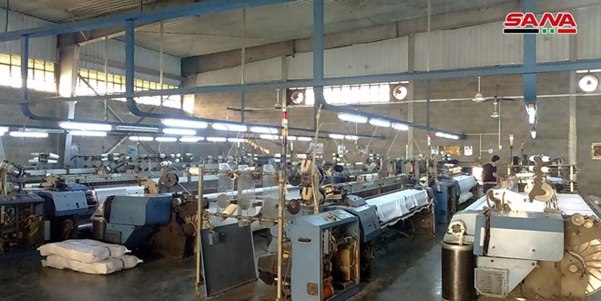
However, the conflict has caused widespread destruction of infrastructure, displacement of millions, and a sharp decline in economic output. Agriculture, which once contributed substantially to Syria’s GDP, (though still in a rather primitive mode )was severely disrupted due to damage to farmland, irrigation systems, and supply chains. Industrial production has also been affected, particularly in cities like Aleppo(where whole factories were dismantled and transported to Turkey), which was a hub for manufacturing before the war. Oil production, another cornerstone of Syria’s economy prior to 2011, has declined dramatically. Many of the country’s oil fields were located in areas that were contested by various factions, further complicating extraction and export. As a result, oil revenues, once a significant source of foreign currency, have dwindled.
Sanctions imposed by Western countries have further strained the economy, limiting trade, investment, and access to international financial systems. Rapid Inflation and a collapsing currency have made basic goods unaffordable for many Syrians thus exacerbating their poverty. Despite these challenges, efforts are underway to rebuild Syria’s economy. Some reconstruction projects are being planned supported by countries friendly to Syria like Turkey and Qatar However, sustainable recovery will require far more effort and grassroots-comprehensive reforms and most importantly much sought after stability.