
Syrian pottery
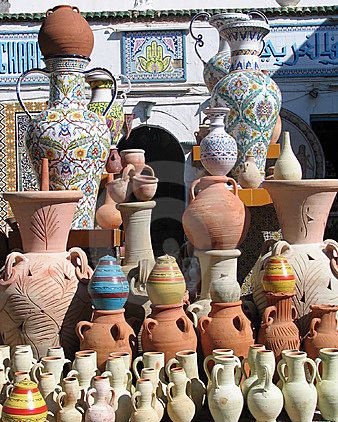
According to archaeological discoveries in northern Syria, handmade pottery and ceramics date back to early fifth century BC.
This indigenous craft reached world fame during the Fatimid Period when some of the most intricate ceramic pieces were made in Syria.
Syrian potters used their habitual underglaze method while adopting the iconography and style of mina’i. This type of enamel ceramic decoration flourished with modern imitative wares in Syria. The increased flexibility in paint application and colour has characterized these wares with more figurative and even narrative representations.
Sometimes it’s decorated with geometric and stylized vegetal ornamentation or with a group of sitting women or another group playing musical instruments. Their clothing, accessories and hairstyles may indicate the fashions of the day, and provide insight into what was seen as the ideal of beauty by contemporary society. These pieces can be still seen today in many museums around the world.
During the Mamluk Period, the style which became dominant was the Qishani ceramics, but the craft kept developing in Damascus to an extent the ceramic work decorated various Damascene monuments. The name of Hammam Al-Qishani Market in Damascus old city is attributed to the Qishani ceramics which decorate some of its walls.
Works of Damascus tiles can be seen today in museums as well as in many of the city’s monuments such as Al-Tekiya Al-Suleimaniya, Sinan Pasha Mosque and Darwish Pasha Mosque.
Another style of ceramic pottery is Al Rakkaware that was a mainstay of the economy of Raqqa in northeastern Syria. The pieces typically have a white body covered in siliceous glaze, with decorations in blue and brown luster. The glazes most often vary in both transparency and shades of turquoise; however other colors were also used. Rakkaware typically consists of kitchen items such as jars, dishes, and bowls with basic shapes that served everyday purposes.
Today and 700 years on, the art of making glazed pottery pieces is still flourishing among Syrian artists.
Lara Khouli