
Syrian Cultural Heritage in 2023: A Harvest of Resilience and Diversity
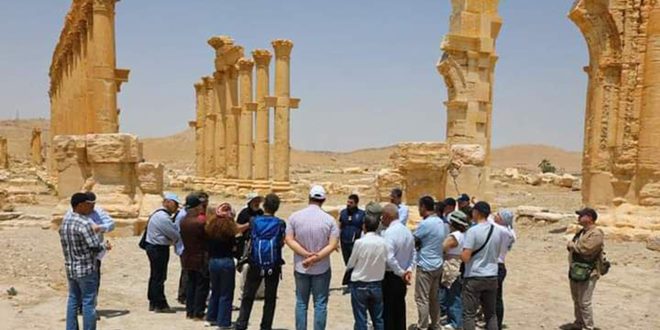
Syria is a country with a rich and diverse cultural heritage, both tangible and intangible, that reflects its long and eventful history. However, this heritage has been severely threatened and damaged by the war, the earthquake, the siege, and the sanctions that have afflicted the country in recent years. Despite these challenges, the Syrian authorities and civil society have been working hard to preserve and restore their heritage, with the support of international organizations and partners.
Intangible cultural heritage is the living expression of the Syrian people’s culture, history, and identity. It includes various forms of art, music, literature, crafts, rituals, and practices that are transmitted from generation to generation and enrich the world’s cultural diversity, and foster mutual understanding and peace. Intangible cultural heritage is not only a source of pride and dignity for the people who practice it, but also a common heritage of humanity that enriches the world’s cultural diversity and fosters mutual understanding and peace.
In 2023, Syria witnessed various events and activities that aimed to preserve and promote its intangible cultural heritage, which included events and activities festivals, exhibitions, workshops, conferences, and musical evenings that showcased the Syrian culture and its role in the Mediterranean basin, and promoted cultural diplomacy and dialogue among the peoples of the world. Some of the intangible cultural elements that were highlighted and safeguarded were traditional Syrian glassblowing, crafting and playing the oud, al-Qudoud al-Halabiya, falconry, practices and craftsmanship associated with the Damask rose in Al-Mrah, and shadow play. These elements are seen as signs of recovery and resilience in this field, as well as sources of creativity and identity. The most prominent event was the inclusion of hand-blown glass by UNESCO on the list of intangible cultural heritage in need of urgent safeguarding, which aims to revive the craft and develop it as one of the creative industries in Syria. These efforts were supported by international organizations and partners, such as UNESCO, the Regional Center for the Conservation of Cultural Heritage in the Arab World, the National Museum of the Czech Republic, and the Santagata Organization for Cultural Economics.
Some examples of Syrian intangible heritage are:
The Syrian tangible cultural heritage, especially the archaeological sites and monuments, experienced many significant events in 2023, despite the damage caused by the massive earthquake of February 6, which struck several Syrian governorates and affected many historical places in Aleppo, Hama, Homs and Tartous. A UNESCO delegation visited the old city of Aleppo and evaluated the rescue needs of the city after the earthquake, and established urgent intervention and funding priorities for some projects. The National Museum of the Czech Republic in Prague held an exhibition of Syrian antiquities that were harmed during the terrorist war on Syria, and were sent to Prague to be repaired according to a joint agreement between the two countries. The Council for the Protection of Cultural Heritage in Asia launched a conference in China, with the goal of collaborating to protect the archaeological cultural heritage, and supporting efforts to retrieve antiquities and fight their smuggling. Several joint Syrian and foreign archaeological missions carried on their work in various sites, such as Tell Al-Shamiya, Palmyra, Amrit, MarqabCastle, and Rastan, where they documented and assessed the damage, performed emergency work, and discovered new findings. The Syrian Commission for Development, in partnership with the Directorate of Antiquities and Museums and other entities, initiated several projects to restore and renovate some historical buildings and gardens, such as the entrance of Aleppo Citadel, the palace of Amir Mahmal al-Haj al-Shami Abdul Rahman Pasha al-Yusuf, the house of Khaled al-Azm, and the tomb of Caliph Omar bin Abdulaziz. The National Museum of Aleppo also opened an exhibition titled “The History of Islamic Coins”, which featured the most prominent currencies that were used during the historical Islamic period in Syria and Aleppo in particular.
The preservation of the Syrian cultural heritage, both tangible and intangible, is of vital importance, especially in these tough times of war, siege and sanctions on Syria. This heritage is not only a source of pride and dignity for the Syrian people, but also a common heritage of humanity that enriches the world’s cultural diversity and fosters mutual understanding and peace. Therefore, it is the responsibility of all parties to protect and support this heritage, and to respect the international conventions and laws that govern its safeguarding.
The Syrian people have not lost their hope and aspirations for a better future, despite the fact that they are facing many challenges, such as war, siege, sanctions, and economic hardship. They have shown remarkable resilience and steadfastness throughout this protracted emergency, and have been finding remarkable ways to rebuild their lives again. They have also been expressing their solidarity and support for the Palestinian people, who are suffering from the Israeli occupation and aggression. Even in the difficult times of the Greetings season, when they are deprived of making big celebrations, they are still cheerful and want to celebrate life and their rich and diverse cultural heritage, both tangible and intangible. They believe that their heritage is a source of pride and dignity, as well as a common heritage of humanity that enriches the world’s cultural diversity and fosters mutual understanding and peace. They hope that one day, they will be able to return to their homes, in safety and dignity, and enjoy the fruits of their efforts and dreams.
Lama AlHassanieh