
Syria receives a shipment of medicines from Erbil
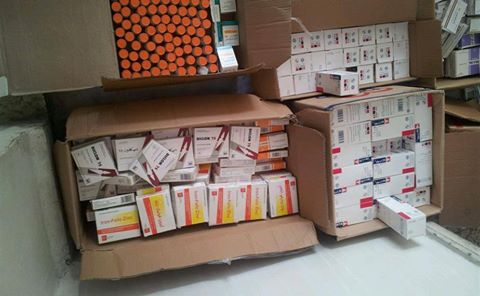
DAMASCUS, Mar.1, (ST)- Today, Director of Planning and International Cooperation at the Syrian Ministry of Health, Zuhair Qarat, revealed that the government of Erbil, the capital of the Kurdistan Region, sent a “large” shipment of medicines in support of Syria, indicating that the health system suffers from a severe shortage of medicines and medical equipment.
The Iraqi website “Shafaq News” quoted Qarat as saying: “The health system in Syria faces major challenges, with a severe shortage of basic resources, including medical supplies, human staff, and securing fuel and food for patients and shift staff.”
Qarat pointed out that “the health infrastructure suffers from significant deterioration, with obsolete medical equipment and a shortage of the necessary devices to provide treatment services, which exacerbates the suffering of patients, especially with the increase in the number of cases of chronic and seasonal diseases.”
He added: “There is an emergency plan extending from 3 to 6 months, focusing on securing basic emergency needs, in addition to continuing to provide secondary and tertiary health services, with priority given to securing fuel, electricity, and vital medical supplies.”
Qarat went on, saying: “Many medical equipment and devices requires urgent replacement to provide appropriate health services. ..There are difficulties in securing some rare medicines and treatments, especially with the imposed sanctions and the significant increase in prices, which hinders their import from foreign markets.”
He clarified that there are some patients suffering from rare diseases such as bone marrow transplantation, who need to be sent abroad to receive treatment, in addition to the high number of influenza cases in the winter and kidney dialysis.” Regarding health cooperation between Syria and Iraq, Qarat said that “shipments of medicines were received from Erbil, which were distributed to health facilities.”
At the end of his speech, he affirmed that they work in coordination with local and international partners, including UN agencies and health organizations, to provide basic needs and replace dilapidated equipment, amid an advanced study to restore hospitals and health facilities, in addition to establishing new facilities to provide a number of beds that are proportional to the current population distribution and the ongoing displacement and movement.
Basma Qaddour