
Social Justice Network Organizes Second International Tour of Peace to Syria during Easter Period
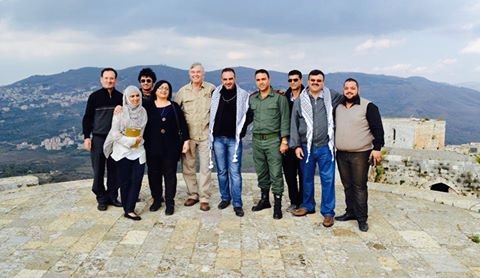
MELBOURN, Australia, (ST)- After the success of its first International Tour of Peace to Syria late October, the Australian Social Justice Network is getting ready to start its second tour to Syria during the country’s celebration of Easter.
In a statement to SANA, President of the Social Justice Network Jamal Daoud said tourists from USA, Britain, Norway, Australia and Lebanon were to take part in the tour. They are due to arrive in Damascus in the week of Easter celebration, he added.
The program includes visits to Syrian areas and meetings with officials, businessmen and relief workers.
Daoud pointed out that the participants are expected to visit some areas where the Syrian army has restored security and stability and where they can have the chance to inspect the damage caused by the terrorist organizations in these areas.
The participants are due also to take part in Easter prayers to pray for peace and security in Syria, he said.
According to the network website, the first “International Tour of Peace to Syria” arrived to Damascus on 28 October 2015 – 2 November.
 The program included meeting the Mufti, Minister for Tourism and Minister for Reconciliation beside visiting historical and religious places like the Ommayad Mosque, Maaloula town, Al Husn castle, The program also included visits to the military hospital, refuge for displaced people form Yarmouk camp and ancient markets.
The tour had participants from 7 countries: Australia, New Zealand, Britain, USA, Norway, Jordan and Lebanon.
The Social Justice Network is a non-for-profit organisation that was founded in NSW by active community members who became sure that the political parties would not satisfy the society ambition to achieve social justice in the society.
The main issues that prompted the foundation of this organization were: racism, Islamophobia, attacks on the rights of refugees and migrants and the low representation of marginalized communities in the decision making bodies.
Other important issues related to above mentioned ones are the Australian foreign policies and increasing extremism and radicalization in the society.
Hamda Mustafa