
Rural Manufacturing Units Project in Lattakia Empowers Syrian Rural Women
Syrian rural women play a key role in their communities and they are one of the pillars of the Syrian agricultural economy because of their ability to manufacture and produce.
“ the rural manufacturing units project in Lattakia’s countryside aims at empowering rural women through providing job opportunities, developing their capacities in food production , expanding their knowledge and information on product quality standard . It also aims at helping women increase their income , by selling competitive products and at enhancing their ability to market traditional food “ Eng. Rabab Wardeh, head of the Rural Women’s Department at the Directorate of Agriculture in Lattakia told the Syriatimes e-newspaper.
 She highly appreciated the government’s financial support for this project with the purpose of consolidating rural women’s role as productive members in society , especially after nine years of suffering caused by the crisis in Syria and that made many women the only bread winners of their families.
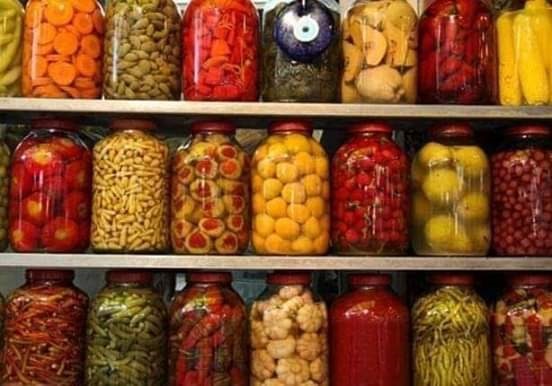
Eng. Wardeh made it clear that the rural manufacturing units in Lattakia’s countryside provide necessary equipment and raw materials for the production process to make excellent food like dairy products by rural women including cheese, milk, jam, pickles, oil and concentrated juice in addition to soap and dry medical plants as well as many other household products which Syrian rural women can produce with high quality and free of chemical and preservative materials .
She pointed out that these products give them in return a decent income , besides protecting the available natural resources in the countryside.
Eng. Wardeh highlighted the fact that the production of the rural manufacturing units hasn’t stopped in the light of the Corona epidemic , referring to the implementation of sterilization procedures with regard to tackling the Corona virus since manufacturing units and sales centers are constantly sterilized with special sprays from the Directorate of Agriculture in addition to providing rural women with gloves and protective masks.
She explained that the rural woman continued with her work in order to continue the production process on the one hand, and that there would remain a source of livelihood for a number of rural women who support their families from their work in producing foodstuffs.
On their part, a number of rural women at the home-based manufacturing units stressed that it is important to support and promote their participation in the agri-food value chain , since their role is mainly concentrated in production and processing.
They welcomed the support for women in rural areas in the form of initiatives focusing on empowering rural women’s fundamental role as members of smallholdings or family farms, which constitute the main socioeconomic cell of rural areas that cares for food production.
Interviewed by : Rawaa Ghanam