
Plant extinction ‘bad news for all species’
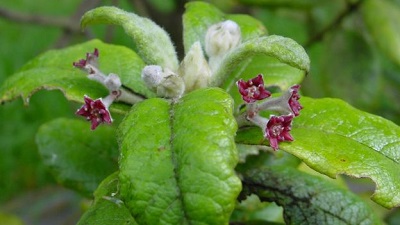
The lost plants include the Chile sandalwood, which was exploited for essential oils, the banded trinity plant, which spent much of its life underground, and the pink-flowered St Helena olive tree.
The biggest losses are on islands and in the tropics, which are home to highly valued timber trees and tend to be particularly rich in plant diversity, according to BBC.
Scientists at the Royal Botanic Gardens, Kew, and Stockholm University found that 571 plant species had disappeared in the last two and a half centuries, a number that is more than twice the number of birds, mammals and amphibians recorded as extinct (a combined total of 217 species).
The researchers believe these numbers underestimate the true levels of ongoing plant extinction.
One positive, though, was evidence that some plants once thought extinct have been rediscovered, such as the Chilean crocus.
All life on Earth depends on plants, which provide the oxygen we breathe and the food we eat.
Plant extinctions can lead to a whole cascade of extinctions in other organisms that rely on them, for instance insects that use plants for food and for laying their eggs.
– What lessons can we learn?
The researchers are calling for a number of measures to stop plant extinction:
– Record all the plants across the world
– Support herbaria, which preserve plant specimens for posterity
– Support botanists who carry out vital research
– Teach our children to see and recognise local plants.
Dr Rob Salguero-Gómez, of the University of Oxford, who was not part of the study, said understanding the how, where, and why of plant loss was of paramount importance, not only for ecologists but also for human societies.
“We depend on plants directly for food, shade and construction materials, and indirectly for ‘ecosystem services’ such as carbon fixation, oxygen creation, and even improvement in human mental health through enjoying green spaces,” he commented.
HZ