
Patrick Cockburn: US and EU Sanctions Ruining Syrians’ Lives
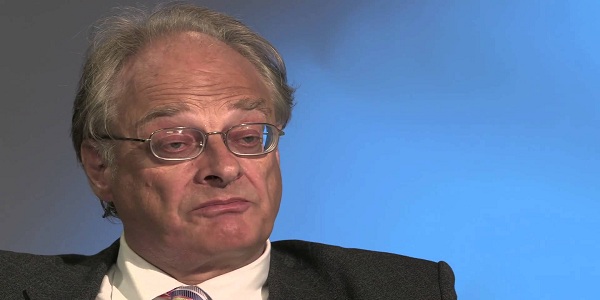
British writer Patrick Cockburn has affirmed that the US and EU economic sanctions on Syria have caused huge suffering to the Syrians, prevented the delivery of humanitarian aid and made it more difficult for foodstuffs, fuel and healthcare to reach the mass of the people.
In an article published yesterday by “The Independent” newspaper, Cockburn quoted a recently published UN report leaked by “The Intercept” Investigative Publication on the impacts of Syria-related unilateral restrictive measures on the Syrians as saying that the American and European sanctions and coercive measures against Syria have destabilized all the country’s sectors and turned it from a self-sufficient state into an aid-dependent one.
He said the report uncovered the hypocrisy of the US and the EU after they criticized Syria and Russia for impeding the delivery of UN aid supplies to what they call “besieged cities” in Syria, while their unfair embargo continues to add suffering to millions of Syrians.
According to Cockburn, “The Intercept” quotes an internal UN email from a senior official saying that sanctions have been a “principal factor” in degrading the Syrian health system and have contributed to a 300 per cent rise in the price of wheat flour and 650 per cent rise for rice, following a doubling of fuel prices in the last 18 months.
He said that the report clarified that “Syria was once largely self-sufficient in pharmaceuticals, but many plants were in the Aleppo area and have been destroyed or rendered unusable by the fighting”. The email says that many of the plants that survived have now been forced to close because of the impact of sanctions on obtaining raw materials from abroad and the foreign currency to pay for them, Cockburn added.
He went on to say that the aid agencies cited in the report say they cannot procure basic medicines or medical equipment for hospitals because sanctions are preventing foreign commercial companies and banks having anything to do with Syria. A European doctor working in Syria says that “the indirect effect of sanctions… makes the import of medical instruments and other medical supplies immensely difficult, nearly impossible.”
Last month, Syria’s Permanent Representative at the United Nations Bashar Al-Jaafari said at the Non Aligned States’ Summit that the support for terrorism in Syria has been accompanied by hateful economic terrorism represented in imposing embargo, and coercive unilateral economic measures against the Syrian people. He added that these measures flagrantly violate UN Charter and the principles of the International Law.
Hamda Mustafa