
Near East Countries: Peace is Needed to Fight Hunger
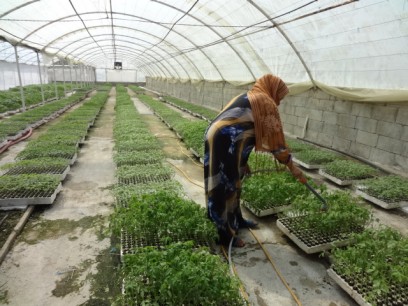
Rome – Twenty-five countries from the Near East and North Africa have stressed the importance of peace for food security as they reaffirmed their commitment to fighting hunger in all its forms.
In a declaration adopted by the FAO Regional Conference for the Near East that ended in Rome today, country representatives stressed “the need for stability and peace for any development effort to bear fruits in the short, medium and long term.” They expressed deep concern over “the dramatic deterioration of the food security and nutrition situation, particularly among children in the Near East and North Africa Region, as a consequence of conflict and protracted crisis.”
The regional conference for the Near East offered a venue for countries and civil society to discuss pressing issues related to food and agriculture in the region.
FAO Director-General José Graziano da Silva stressed that “Assisting farmers, when it is safe for them to remain on their land, is critical to preventing mass displacement. It also sets the foundations for rebuilding.”
“FAO has long been concerned about the impact of war on food security,” he said, adding that rural areas and their populations continue to be the most affected in conflict situations.
“The destruction of crops, livestock and markets undermines rural livelihoods and displaces people from their homes,” he said underlining how conflict limits communities’ ability to produce, buy and access food.
Hunger, in turn, can have a destabilizing effect on communities and can be a driver of instability and conflict. In post-conflict situations, “Food insecurity can undermine the peace process and restart the cycle of violence,” according to Graziano da Silva.
In contrast, when societies are food secure, it can aid in the development of agricultural sectors, strengthens social cohesion and confers legitimacy upon governments, he said.
The countries seconded this in their declaration, as they reiterated the importance of inclusive and sustainable development through an agriculture sector that provides employment to vulnerable groups, such as women and youth.
In his closing remarks, Graziano da Silva drew attention to the special role of small-scale family farmers as “a pillar of any rural development strategy and a key for promoting inclusive economic development, youth employment, and addressing gender inequality.”
“Our meeting also provided the opportunity to look ahead and focus on long-term challenges, such as water scarcity, the impacts of climate change, nutrition and natural resource management,” he added.
Prepared by: Sharif al Khatib