
It’s time to invest in the “new Syria” and lift sanctions, says UN official
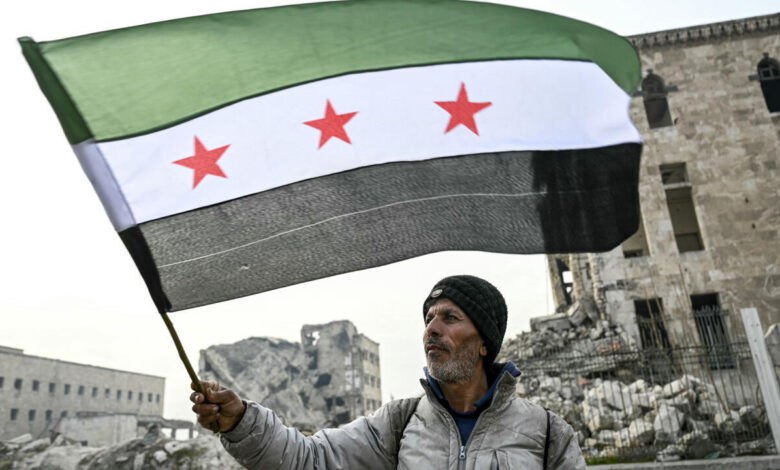
The Deputy Regional Humanitarian Coordinator for the Syria Crisis, David Carden called for investment in the new Syria and for the lifting of sanctions to help shape a more self-reliant future for its people and support the safe and dignified return of displaced persons and refugees.
Speaking to reporters in New York from the Turkish city of Gaziantep, as reported by the UN website, Carden said: The time has come to invest in Syria as it goes through a pivotal transition period.
He expressed his hope that the humanitarian phase will be as short as possible, so that we can move forward with recovery and reconstruction, and in this context, we will see further easing of sanctions.
The UN official indicated that he was optimistic about the decline in violence in Syria, adding “If this positive trend continues, people will have a chance to live in peace”.
Carden emphasized that people do not want temporary relief, but opportunities to earn a living and rebuild their lives with dignity.
The UN official noted that the humanitarian community has secured $179 million so far, representing less than 9 percent of the $2 billion needed to assist the most vulnerable groups by the end of June of this year.
Carden clarified that the situation has changed now, with a new Syria “full of hope and opportunity, but that “the crisis is not over yet,” especially with more than 16 million people in need of assistance today.
Syria remains one of the largest displacement crises in the world, with seven million people still internally displaced despite a gradual increase in returns this year.
Carden said his position will officially end on Tuesday, as part of the UN’s transition efforts in the “new Syria” to streamline the coordination response, led by the Resident Coordinator and Humanitarian Coordinator in Damascus, by the end of June.
He clarified that the cross-border humanitarian operation from Turkey into Syria was born out of necessity amid deep-rooted political divisions to ensure humanitarian aid reaches the most vulnerable Syrians.
“The work has extended beyond simply delivering relief supplies to include supporting people to rebuild their livelihoods,” Carden added.
Raghda Sawas