
If Lemon is Expensive- Unripe Grapes (Hosrum) Will Do the Job!
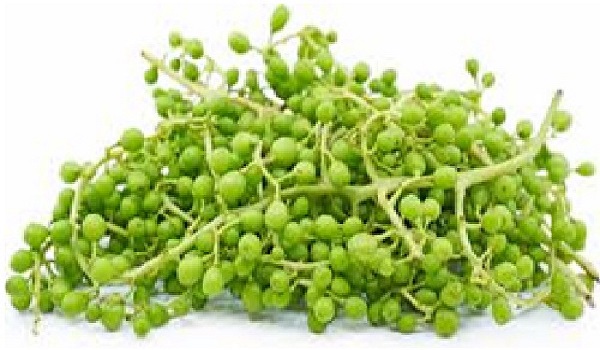
What is unique about Syrians is that they may lose their temper, but they will never lose their hope in the future. They resist and they are resilient too! You find them drawing from their glorious past and extensive traditions in search for means to survive with dignity. Unfortunately, the current coercive economic sanctions have added more pressure on the ordinary Syrian cuisine, already suffering from the long war’s repercussions.
However, Syrians find creative solutions in resorting to their rich environment to maintain their meals as balanced with five tastes: sweet, sour, pungent, salty and bitter. Unripe grapes (Hosrum) is getting renewed attention, making a comeback on the food scene. In the absence of lemon, what is a better alternative than Hosrum!
Associated with the early summer season, unripe grape juice (Hosrum)is used as an acidic addition to food that substitutes lemon, which has become a scarcity because of the sanctions that contribute to a steep rise in prices.
Hosrum is widely used as an ingredient in sauces, soups, main dishes and beverages, as Syrians use unripe grape juice to season salads and the traditional breakfast beans meal, to add citric flavors to traditional Syrian dishes like stuffed vine leaves and lentil soup, and to drink a refreshing beverage.
Hosrum enhances the appetite and makes other tastes more delicious, as it has a different flavor to lemon or vinegar.
How to make:
 Rinse the unripe grapes and then remove them from stems. Place grapes in a blender, a few at a time, and blend until fairly smooth. Add more grapes until all are blended. Pour the mash into a strainer lined with cheese cloth then squeeze to extract the juice that will be preserved in the fridge. Another way to preserve the juice is either by sun drying it, or by simmering on low heat to form a paste that is kept outside the fridge.
It is worth mentioning that the Syrian soil is as resistant and defiant to unjust sanctions as Syrians are. It is a rich, generous soil that produces various crops- perhaps in kind solidarity with its sons, the Syrians, who love it as much as it loves them.
Rayan Faouri