
How domestication can change animals’ facial features
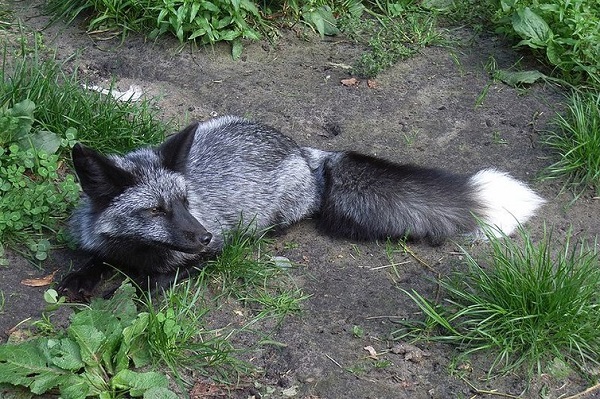
Domesticated animals, compared to their wild counterparts, have undergone numerous changes in physiology, behavior and morphology. These changes are commonly referred to as the domestication syndrome and include behavioral changes, such as increased docility as well as genetic alterations in size, color and facial characteristics. In attempting to find whether these changes have a single cause, zoologist Dmitry Belyaev conducted a series of selection experiments with silver foxes, hypothesizing that behavior, specifically tameness, was the key driving factor behind the changes brought about by domestication. After generations of selecting foxes for tameness, they were found to display phenotypes similar to those observed in domesticated species. Since then, it has been further hypothesized that selection for social tolerance and reduced aggression may also have played an important role in shaping the modern human anatomy, which is remarkable for the reduced face and gracile overall features. According to Science daily.
In parallel to his fox experiment, Belyaev also selected rats over 64 generations for their behavior: either tameness or defensive aggression towards humans. In the first ever quantitative study on the facial anatomy of Belyaev’s selected rats, an international team of researchers collected 3-D measurements on the skulls of both tame- and aggressive-selected rats, in order to evaluate Belyaev’s hypothesis that tame behavior correlates with the facial changes similar to those seen in domesticated animals. The study found that rats selected for tame behavior show some — though not all — traits present in domesticated animals and the tame silver foxes.
Senior author, Professor Katerina Harvati and Dr. Nandini Singh conceived the project, in collaboration with Dr. Frank Albert. Quantitative analyses of cranial measurements revealed clear differences, including a smaller and retracted snout, but no difference in overall size, between rats selected for either tameness or defensive aggression. However, unlike Belyaev who found a kind of “feminization” and sexual dimorphism in the tame silver foxes — traits also seen in domesticated animals — Harvati and colleagues did not see this trend among the tame rats.
Professor Harvati says this shows that not all elements of the domestication syndrome might appear in domesticated animals, depending on the species. However, this study con-firms the wide-ranging effect of behavioral changes on the phenotype over generations. Experimental animal models can provide novel ways to test and address a number of questions regarding the developmental origins of animal domestication not otherwise possible with archaeological samples.
N.H.Kh