
First mapping of global marine wilderness shows just how little remains
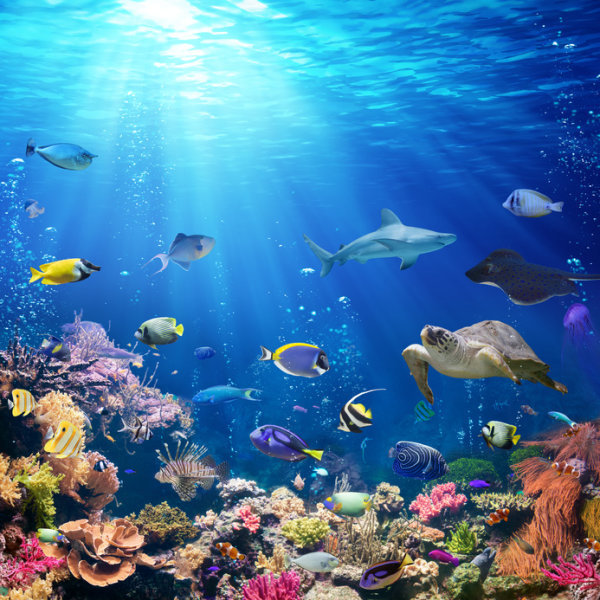
Researchers have completed the first systematic analysis of marine wilderness around the world. And what they found is not encouraging; only a small fraction — about 13 percent — of the world’s ocean can still be classified as wilderness, according to Science Daily.
“We were astonished by just how little marine wilderness remains,” says Kendall Jones. “The ocean is immense, covering over 70 percent of our planet, but we’ve managed to significantly impact almost all of this vast ecosystem.”
On land, rapid declines in wilderness have been well documented. But much less was known about the status of marine wilderness. Wilderness areas are crucial for marine biodiversity.
“Pristine wilderness areas hold massive levels of biodiversity and endemic species and are some of the last places of Earth where big populations of apex predators are still found,” Jones says.
In the new study, Jones and his colleagues used the most comprehensive global data available for 19 human stressors. They systematically mapped marine wilderness globally by identifying areas with very little impact (lowest 10% percent) from 15 anthropogenic stressors and also a very low combined cumulative impact from these stressors.
In order to capture differences in human influence by ocean regions, the researchers repeated their analysis within each of 16 ocean realms. They found wide variation in the degree of human impacts.
The study also shows that less than 5 percent of global marine wilderness is currently protected. Most of this is in offshore ecosystems, with very little protected wilderness found in high-biodiversity areas such as coral reefs.
“This means the vast majority of marine wilderness could be lost at any time, as improvements in technology allow us to fish deeper and ship farther than ever before,” Jones says. “Thanks to a warming climate, even some places that were once safe due to year-round ice cover can now be fished.”
The findings highlight an urgent need for action to protect what remains of marine wilderness, the researchers say. Such an effort requires international environmental agreements to recognize the unique value of marine wilderness and sets targets for its retention.
N.H.Kh