
Economic Academics: Lifting Sanctions Puts Syrian Economy on the Path to Recovery and Development
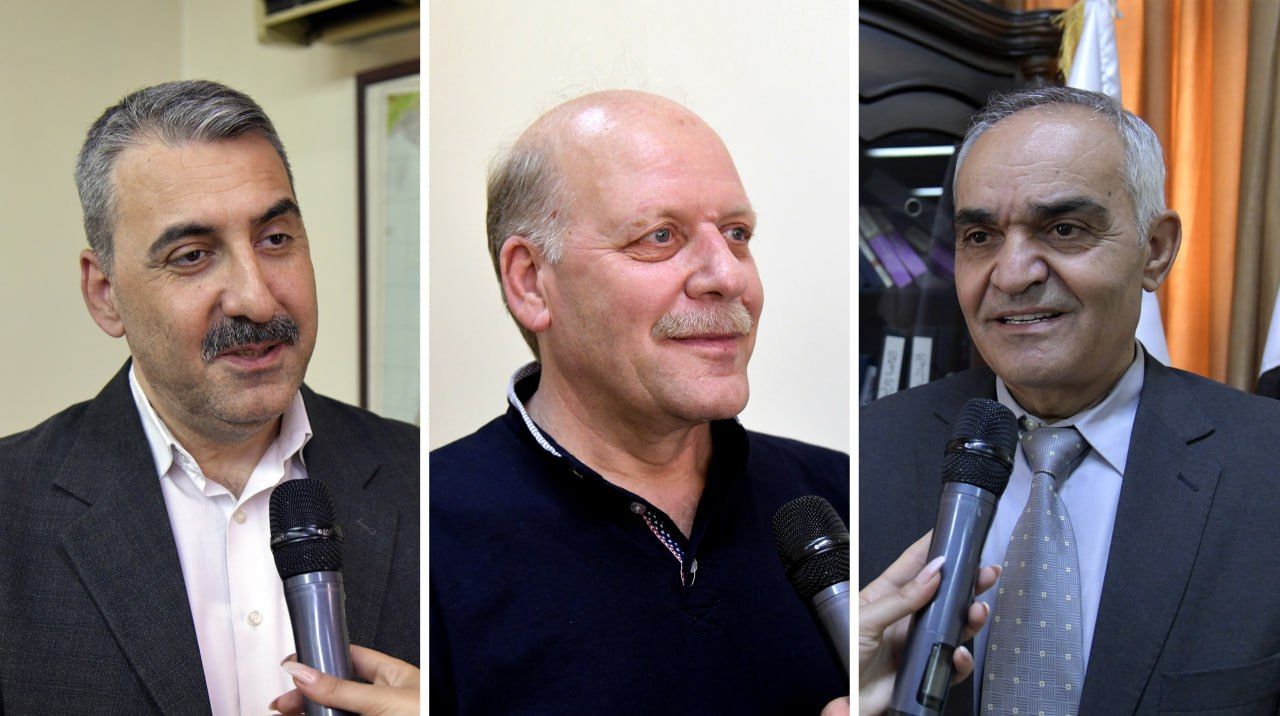
Economic academics believe that lifting sanctions is a fundamental step to set the Syrian economy, across its various sectors, on the right path toward recovery and development. It would facilitate the smooth flow of foreign funds into Syrian banks, positively impacting the exchange rate of the Syrian pound and financing reconstruction and development projects.
Dr. Ali Kanaan, Dean of the Faculty of Economics at Damascus University, emphasized in a statement to SANA the positive implications of lifting sanctions on the Syrian economy, foremost among them being the reconnection of Syria to the global transfer system “SWIFT,” which links Syrian banks with banks around the world. This connection would allow them to send and receive remittances from abroad without fear of rejection or legal repercussions, enabling foreign investors to establish activities in Syria similar to those they have abroad without obstacles.
Dr. Kanaan also pointed out that this would contribute to the return of international relief organizations to operate within their mandates after sanctions are lifted, bringing in funds to be distributed to the activities they finance.
Additionally, it would become possible to withdraw international loans from the World Bank and the International Monetary Fund to finance infrastructure projects across various sectors.
The Dean noted that the revival of industrial and commercial activity and entering a phase of reconstruction would lead to improved wages and increased job opportunities across various specialties, thus reducing unemployment rates and raising the national income per capita.
For his part, Dr. Abdul Razak Hassani, Vice Dean for Academic Affairs at the Faculty of Economics, explained that the banking sector would witness a revival due to the easy and smooth influx of funds from abroad, leading to an increase in foreign currency in banks and an improvement in the exchange rate of the Syrian pound against the dollar and other foreign currencies.
Regarding the preparation of an infrastructure of economic legislations and laws to align with the lifting of sanctions, Dr. Hassani clarified that there are good decisions and legislations; however, they have been misused. There is a need today to make amendments to some of them, particularly those related to investment, to keep pace with the positive economic transformations that the country will witness following the lifting of sanctions.
In turn, Dr. Ahmed Al-Saleh, a faculty member at the Faculty of Economics at Damascus University, stated that former U.S. President Donald Trump’s decision would set the business and economic sectors on a path to recovery, positively reflecting on citizens’ lives.
He explained that the immediate effects of the decision manifested in a significant sense of hope and optimism among citizens. Meanwhile, in the medium and long term, it will open up opportunities for both public and private economic sectors to effectively invest in human and material resources and expand the labor market.
Dr. Al-Saleh also noted that lifting sanctions would enable academics to collaborate with academic institutions and access scientific references and research within the framework of academic cooperation and structuring, emphasizing that Syrian universities possess the necessary staff and qualifications for this international collaboration.
Souha Suleiman