
‘Dream lag’ means that we are likely to suffer the same nightmare a week later
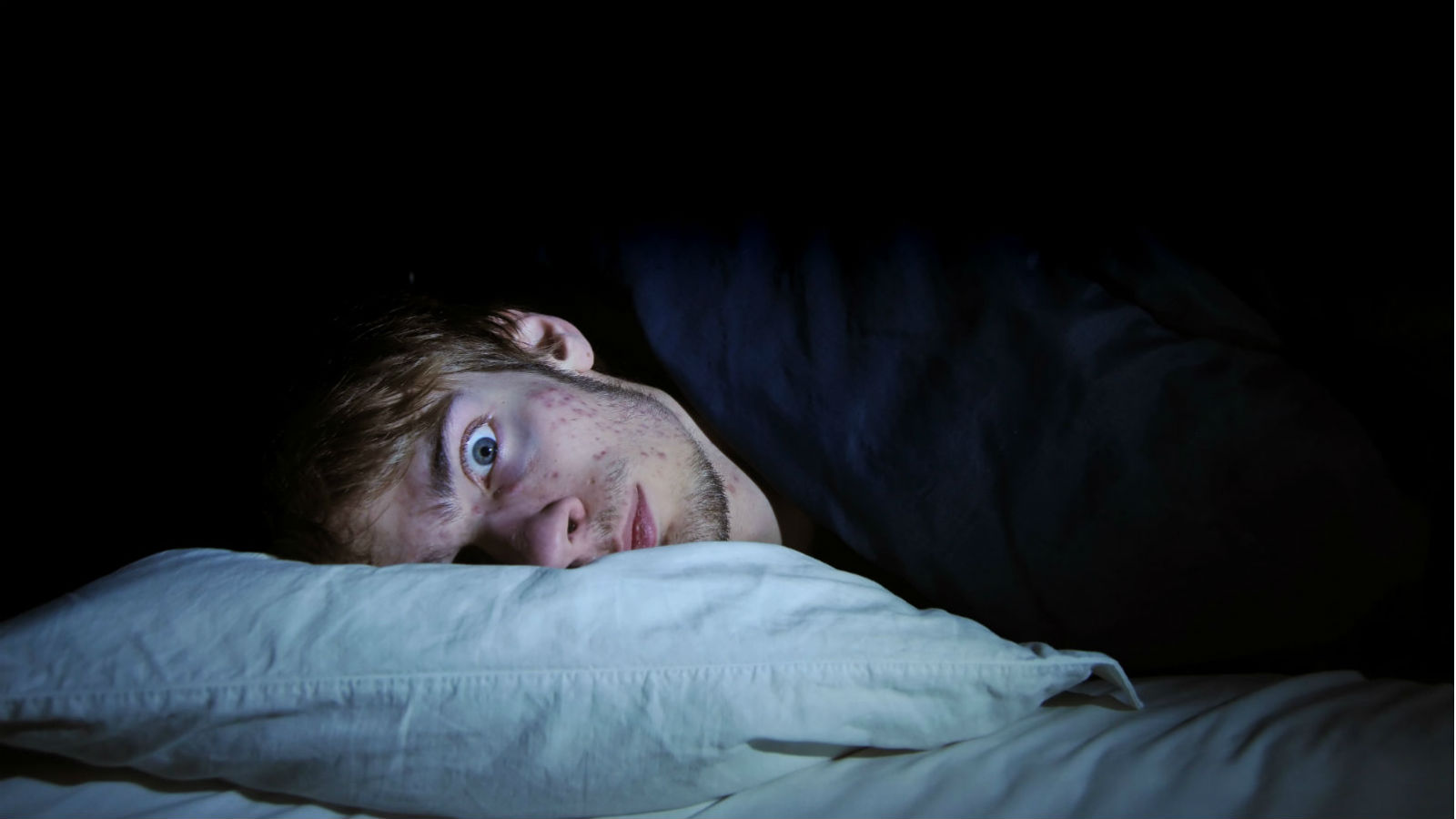
It is enough to make you wake up in a cold sweat: that nightmare that just scared the living daylights out of you is likely to recur in a week’s time.
Scientists say we suffer from something called ‘dream lag’ – in which a dream, or nightmare, is repeated five or seven days after we initially have it.
Mark Blagrove, a sleep scientist said: ‘We often tend to dream about what happened yesterday.
You then stop dreaming so much of what’s happened but after about five days you start dreaming of it again.’
The phenomenon is more likely to occur after an important or emotive event, suggesting it takes the brain up to a week to process the information and store it away.
Happy events may trigger such dream repeats .
Those who are bothered by nightmares may be wise to talk about them.
Other research by Professor Blagrove shows we find discussing our dreams strangely satisfying.
Men and women who spent an hour teasing apart a dream felt they gained more insight into their lives than those who chatted about a daydream or a day out.
The professor said: ‘Over the hour you can start to make connections between the dream and recent waking life.
‘You tend to get “aha” experiences in which you say “ah, that’s where that came from”.
‘You can make a lot of connections and people rate the dreams very highly as being relevant to their waking life issues and even giving them information about those issues.
This means, he said, that far from being on a par with reading tea leaves, discussing a dream may help people acknowledge problems they were trying to avoid.
Finally, our dreams are packed with metaphors.
‘The claim is that when you dream, you are rather than saying the metaphor “we’ ve gone through a bumpy patch”, you have a dream of being in a car, shaking around, going up a hill and it splits into two going in different directions.
‘So what in your waking life would be seen as a metaphor, occurs as a concrete experience in your dreams.’
Source: Daily mail
N.H.Kh