
Daily Dose: Zinc
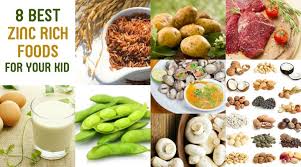
Zinc is an important trace metal in your diet. Zinc’s role in health was only discovered at the beginning of the last century, but since then interest has grown in the various ways that it might impact health.
Why does my body need zinc?
Zinc is one of several metals the body uses to build proteins and to help enzymes perform necessary reactions. Zinc is useful because of its chemical flexibility. It has the ability to bind in many different types of conformations, which is essential for building proteins that come in many different shapes and sizes. It can also help drive reactions by smoothing and speeding up chemical transformation. Because it often performs in a reusable situation, we don’t need large amounts of zinc in our diet.
What foods contain zinc?
Shellfish and red meat are both very high in zinc, but there are also a variety of plant sources of zinc that can easily keep you in the green. These include beans, nuts, whole grains, and seeds like pumpkin, sunflower, sesame and poppy seeds. Many breakfast cereals, tortillas and other baked items that contain fortified flours now also contain zinc.
What happens when I don’t get enough zinc?
While most people are probably getting enough in the food they’re already eating, concern is rising that an increasing percentage of people may have mild zinc deficiency. In children, zinc deficiency can slow growth and even stop it if the deficiency is severe enough. Zinc deficiency can also lead to problems with sexual maturation, taste, immune function, wound healing and vision. Skin problems can also arise. Fortunately, these symptoms normally only appear in those who are severely deficient and malnourished.
Who’s most at risk of deficiency?
People who have trouble absorbing nutrients are most at risk. This includes people with inflammatory bowel disease; people who have had gastric bypass surgery, or preterm infants who have had gastrointestinal problems. Women who breast feed for extended periods of time have also been found to have higher rates of zinc deficiency.
Source: The Dr.OZ Show
N.H.Khider