
China is opposed to Japan’s unilateral move of the discharge of nuclear-contaminated water
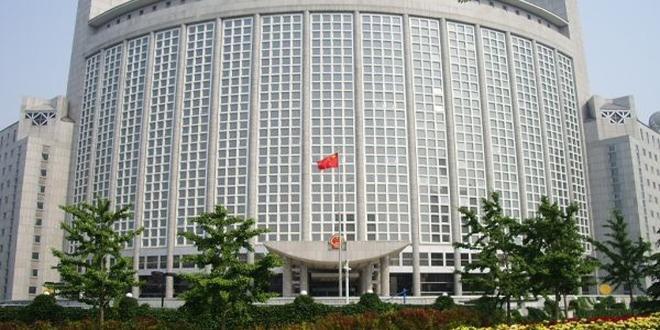
BEIJING, SEP.21 (ST) –China is firmly opposed to Japan’s unilateral move of starting the discharge of nuclear-contaminated water from the Fukushima Daiichi Nuclear Power Station into the ocean, and this position remains unchanged, a foreign ministry spokesperson said here Friday.
Mao Ning told a daily news briefing that as one of the most important stakeholders, China is opposed to Japan’s irresponsible move. In line with the understanding reached by the leaders of the two countries that the issue should be addressed through consultation and negotiation, China has held over 10 rounds of intensive negotiations and consultations with Japan and the relevant international organization. The relentless efforts have led to an agreement released on Friday.
“China is firmly opposed to Japan’s unilateral move of starting the discharge, and this position remains unchanged,” Mao said. The purpose of releasing the agreement with Japan is to urge Japan to earnestly fulfill its obligations under international law and its responsibility for safety oversight, to do its utmost to avoid leaving negative impact on the environment and human health, and to effectively prevent the potential risk that may arise from the discharge.
She said it is hoped that the international community, especially the stakeholders, will work with China to closely monitor Japan’s fulfillment of its commitments.
Due to the limitations of the existing international mechanism, the current evaluation and monitoring of the discharge is incomplete and lacks transparency and credibility, and needs to be further improved and strengthened, Mao said, adding that it is especially important to establish a long-term international monitoring arrangement covering key stages of the discharge and ensure that China and all other stakeholders can participate substantively in the arrangement and carry out independent sampling and monitoring.
She said this is the only way to obtain comprehensive, genuine and valid data and place the risks of the discharge under control. Through negotiations, China and Japan have reached agreement in this regard.
As the next step, there will be discussions on technical details such as the types of radionuclides to be monitored and testing methods, to realize comprehensive, effective and credible long-term international monitoring, she added.
How to handle the Fukushima nuclear-contaminated water properly is a political and, more importantly, scientific issue, and the China-Japan bilateral agreement has laid the foundation for the international community to handle nuclear-contaminated water in a science-based, effective and safe manner, Mao said.
She said that this is an initial achievement made by the international community, especially the stakeholders. Going forward, China will work with the international community, other stakeholders in particular, to continue to act with a great sense of responsibility for global marine ecosystems and environment and for human health, engage in science-based dialogue with Japan, and urge Japan to address concerns over the discharge properly.
The import suspension on all aquatic products (including edible aquatic animals) of Japanese origin is a temporary emergency precaution taken in accordance with relevant Chinese laws and regulations and WTO rules, Mao said. It is aimed at preventing risks and protecting people’s health.
She added that the measure is based on rules and regulations. It is an example of the Chinese government’s sense of responsibility for its people. Reaching the agreement does not mean that China will immediately resume imports of all Japanese aquatic products. China will continue to act in accordance with WTO rules and Chinese laws and regulations, take scientific facts as the guidance, and view safety as a precondition.
“We will begin to adjust the relevant measures based on scientific evidence after participating substantively in the relevant monitoring activities, carrying out independent sampling, and verifying the result,” Mao said.
China will hold technical consultations with Japan and, after China’s demands are fully addressed, gradually resume imports of Japanese aquatic products that meet the regulation requirements and standards, and the consultation results and policy adjustments will be made public in a timely way, she added.
Source: Xinhua
B.Q.