
Bees stick to known safety zones, learn to avoid danger
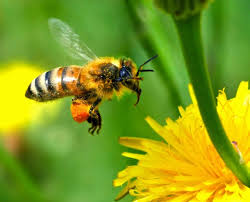
Bumblebees can distinguish between safe and dangerous environments, and are attracted to land on flowers popular with other bees when exposed to perilous situations, according to new research from.
The study, shows that past experience of predation causes bumblebees to join other bees already safely feeding on flowers.
Co-author and PhD student Erika Dawson said: “Our experiment shows for the first time that when bees find themselves in these predator-infested environments they locate safe places to eat by joining other bees that are already safely feeding on flowers.”
The scientists trained bees to differentiate between safe and dangerous environments: when bees landed on a flower associated with danger, foam pincers would trap the bee and prevent it from foraging. This simulates an attack by a crab spider, a predator that lurks on flowers to catch pollinators, and can hide by changing its colour, like a chameleon.
In safe environments, the bumblebees subsequently chose to feed from flowers at random, but in dangerous environments, the bees specifically flew to flowers that were occupied by other bees.
Erika added: “It’s similar to walking through a bad neighbourhood — you’re more likely to choose a busier route, where there are lots of other people around than a deserted street, to get to your destination, since your chances of being attacked are probably lower.”
Bumblebees face similar danger when foraging for food. Avoiding being eaten can be tricky as predators are often disguised or undetectable. The authors suggest that bees use information from other bees to help them to avoid these dangerous situations.
“Bees normally spread themselves out among flowers to minimise competition, but when danger lurks they dine together to seek safety in numbers,” commented co-author Professor Lars Chittka .
Source: Science daily
N.H.Khider