
Al -Fakhura Port… A Witness to Nobility of Syrian Civilization
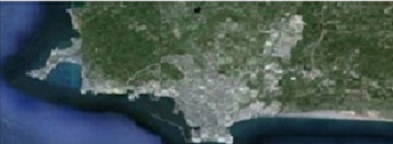
LATTAKIA, (ST) – The Syrian coast embraces dozens of submerged ports that date back to the second millennium BC, most notably al –Beida, Ugarit and al –Fakhura, which formed an anchor to huge fleets owned by the people of those eras.
The Port of al –Fakhura, in particular, constitutes a natural bay and plant of Byzantine pottery adjacent to another older plant that is believed to be of Ugariti origin.
The port is called by this name in relation to the presence of Pottery factory located on the north side of the bay. It was used for the export of pottery to nearby countries and those that are located overseas.
Director of Lattakia Antiquities , Dr. Jamal Haider, said that documents indicate that Ugarit owned a fleet of ships of 150 ship cruising the Mediterranean Sea east and west through its ports for the movement of Ugarit culture, economy and trade by Syrians and Phoenicians navigators, pointing out that the Fakhura port was the most prominent of those ports.
Mr. Haidar indicated that this port has submerged pavement that was by man when sea level was lower than it is now clearly refers to the old use of this harbor.
He continues. Remnants of a carved stone wall of two and a half meters in height was left of it can be seen, but several bonds are still excised of this wall. Residents of the area say that it is yet to find the tools and supplies of fishing nets in the edge of the rubble of the soil and this indicates that the place was a factory for the production of fishing tools.
Mr. Haider confirms that the prevalence of broken pottery and various parts of the intact pottery vessels and ancient and modern shattered, which can be viewed at the bottom of this bay and sand indicates the intensity of use of this vital gap, the port.
“The presence of debris down of a sinking ship shows that this gap was a center for the export of various types of pottery during successive periods, pointing out that remains of a shipload of vessels found in the location date back to the late Hellenistic period and some of the shipload was recovered and a number of them is intact,” Mr. Haider clarified.
He pointed out that some parts of the wrecked scorched vessels indicate that the fire came on the ship, which was carrying the load of vessels and fully destroyed the ship to stabilize in the place where it was anchored, indicating the presence of some of the debris, which has remained in place since the outbreak of the fire.
“Traces of paved road was found from a single stone and slightly to the north and a paved yard of the same type of the road was found and it is thought it was a waiting station to this place was special official status,” Mr. Haider said.
The path that has been disclosed during excavations at Ugaritlinks between the port of Beida, al – Fakhura, Ibn Hani and Ras al Teeneh in Ras Ibn Hani. It also joins to other marine facilities and here lies the importance of the link between the city of Ugarit and Marine facilities to link Ugarit with the countries of the Overseas, Mr. Haider concluded.
Sharif al Khatib