
Agriculture Ministry, FAO Discuss Ways to Conserve Plant, Animal Genetic Assets in Syria
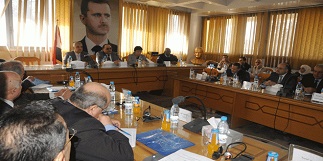
Damascus, (ST) – TheMinistry of Agriculture in cooperation with the Food and Agriculture Organization of the United Nations (FAO) held recently herea workshop and discussed methods of conservation of plant and animal genetic assets in Syria.
Agriculture Minister Ahmed Qadri stressed the importance of this workshop in the definition of genetic origins of plant and animal in Syria being the local environment and is characterized by the rich bio-diversity and genetic assets, noting that the ministry is coordinating with international organizations to maintain them because of their high value.
Mr. Qadri clarified that the workshop included a presentation of the preliminary assessment of the effects of exceptional circumstances in the country on these assets and how to keep and transfer them to safe areas and the development of new varieties, referring to the positive impact of cooperation with FAO on the various agricultural activities, hoping to circulate the experience on all international organizations to open the horizons of the future cooperation in the field of conservation and protection of plant and animal genetic assets in Syria.
For her part, the Representative of the FAO in Syria Eriko Hebi clarified that the workshop comes to display the results of the report, prepared by FAO in collaboration with the Ministry of Agriculture and other research centers, which talks about the impact of the current crisis on the Syrian plant and animal genetic resources.
“It is an important report because it determines the great impact on them. The importance of these resources in being acclimatized with environmental and climatic conditions in Syria and thus is resistant to pests and diseases spread and the loss of these resources reflects negatively on agricultural production and farmers and through this report, the sustainable ways to protect these resources will be identified,” Mrs. Hebi added.
The workshop offered three work papers s on these assets, their history and importance, the number of their types, places of distribution and how to keep them.
Present at the workshop were representatives of the International Center for Agricultural Research in Dry Areas (ICARDA), the Arab Center for the Studies of Arid Zones and arid land (ACSAD), the Ministry of State for Environmental Affairs, the Planning and International Cooperation Association and the College of Agriculture at the University of Damascus.
Sh. Kh