
Chinese tombs yield earliest evidence of cannabis use
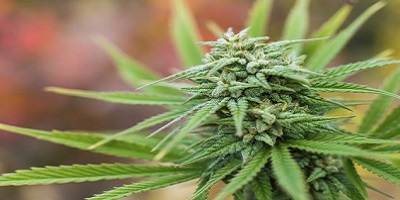
Researchers have uncovered the earliest known evidence of cannabis use, from tombs in western China.
The study suggests cannabis was being smoked at least 2,500 years ago, and that it may have been associated with ritual or religious activities.
Traces of the drug were identified in wooden burners from the burials, according to BBC.
The cannabis had high levels of the psychoactive compound THC, suggesting people at the time were well aware of its effects.
Cannabis plants have been cultivated in East Asia for their oily seeds and fibre from at least 4,000 BC.
But the early cultivated varieties of cannabis, as well as most wild populations, had low levels of THC and other psychoactive compounds.
The burners, or braziers, were found at Jirzankal Cemetery, high up in the Pamir Mountains.
The scientists think ancient people put cannabis leaves and hot stones in the braziers and inhaled the resulting smoke.
It’s possible the high altitude environment caused the cannabis plants in this region to naturally produce higher levels of THC. There’s evidence this can happen in response to low temperatures, low nutrient levels and other conditions associated with high elevations.
It’s the earliest clear evidence of cannabis being used for its psychoactive properties. The plants appear to have been burnt as part of funerary rituals.
The scientists used a method called gas chromatography-mass spectrometry to isolate and identify compounds preserved in the burners.
To their surprise, the chemical signature of the isolated compounds was an exact match to the chemical signature of cannabis.
The findings tally with other early evidence for the presence of cannabis from burials further north, in the Xinjiang region of China and in the Altai Mountains of Russia.
In addition, tests on human bones from the cemetery show that some of the people here did not grow up locally.
Nicole Boivin, director at the Max Planck Institute for the Science of Human History in Jena, Germany, said: “The findings support the idea that cannabis plants were first used for their psychoactive compounds in the mountainous regions of eastern Central Asia, thereafter spreading to other regions of the world.”
H.Z