
The War of Attrition against SyriaBetween Illusion and Field Realities
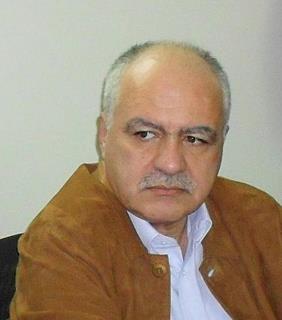
By Ghaleb Kandil
The American media reported differences of views within the Obama administration about how to deal with the Syrian crisis. The press highlighted the words of some Pentagon officials in front of the Congress, underlining the dangers of arming the rebels, after the role of Al-Qaeda – and its branch al-Nosra Front in Syria- had become decisive. The possible involvement of Chechen terrorists in the bombings of Boston gives more credit to this caution, especially the Western press had revealed a few months ago, the formation of small groups of Chechen fighters in Libya, under supervision of U.S. intelligence, before sending them to Syria, and Russia via Turkey.
The confusion in U.S. ruling circles about the Syrian issue is due, above all else, to the admirable strength of the Syrian state and its national army, facing a world war led by the United States. Arms transfers, training camps, recruitment channels as well as the political and media strategies, everything about Syria is supervised by Washington, which assigns tasks to its allies. Thousands of tons of weapons and equipment were provided by the French and British according to an American decision. And the media have officially announced that John Kerry would be carrying, at the meeting of pseudo-friends of Syria in Istanbul, of large sums-of a Bankrupt America-to buy armored personnel carriers and communications equipment for terrorists in Syria. The Pentagon officials, who seem to contradict this interventionist diplomacy, provide Washington an excuse to backtrack if necessary. For the results of the American adventure in Syria are more uncertain than ever.
Indeed, the progression of the Syrian army in the past five weeks is beyond the initial objectives of the military command. The progress is not limited to a specific sector but involves several fronts, including Damascus, Homs, Lattakia and Idlib and around Aleppo. Saturday and Sunday, the army and the popular committees have registered significant success in Qoussair, near the Lebanese border, chasing terrorists from many villages.
The consequence of these military developments, particularly around the capital, is that the “great battle of Damascus”, whose preparations were going hard for months, will not take place in the coming months.
It is clear from all these developments, that the war of attrition initiated by the United States is a very risky game, with a great deal of illusions about the possibility of influencing the political equations or reverse the balance of power on the field. The coalition responsible for implementing this plan is global. It includes Saudi Arabia, Qatar, the United Arab Emirates, Turkey, European countries, with Israel as the centerpiece under the high supervision of the United States.
But this is not counting on the commitment and resistance of the Syrian leadership and people and the determination of emerging powers, including BRICS, Latin America and Iran, to end American unilateralism.
Orient Tendencies
H.M