
Bronze Age iron weapons ‘came from outer space’, claims new study
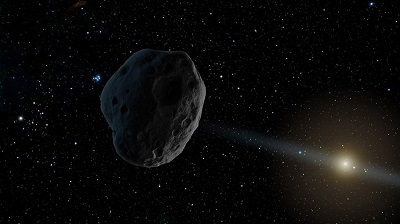
A new study claims that most of the iron used in weaponry and Artefacts dating from the Bronze Age is, in fact, of extraterrestrial origin. It further explains how our ancient ancestors were able to use the metal without access to smelting, according to RT.
The new research, led by French scientist Albert Jambon used geochemical analyses to differentiate Earthly and extraterrestrial metals found in a range of Bronze Age artefacts from across the world.
By studying the ratios of iron, cobalt and nickel found within the artefacts, researchers created a system to differentiate iron produced through smelting of ore, and ‘pre-made’ iron of meteoric origin.
For context, meteorites were already recognized as a major source of iron, but the scientific community was still on the fence as to the extent to which meteoric iron contributed to Bronze Age iron artefact construction. Iron weapons crafted during the Bronze Age were extremely rare and prized possessions (kind of like Valyrian steel in the Game of Thrones).
 The Iron Age began around 1200 BCE while The Bronze Age played out 2,000 years prior, so anyone who boasted iron weapons or jewelry had a significant military or economic advantage over their contemporaries.
Jambon performed non-destructive chemical analyses of samples using a portable X-ray fluorescence spectrometer in situ in the museums where the Bronze Age artefacts are currently stored. The objects studied include: “beads from Gerzeh (Egypt, −3200 BCE); a dagger from Alaca Höyük (Turkey, −2500 BCE); a pendant from Umm el-Marra (Syria, −2300 BCE); an axe from Ugarit (Syria, −1400 BCE) and several others from the Shang dynasty civilization (China, −1400 BCE); and even the dagger, bracelet, and headrest of Tutankhamun (Egypt, −1350 BCE).”
Terrestrial iron ore must be reduced, removing the oxygen contained within, before it can be crafted into weapons and other objects. But the meteoric iron was already in a metallic state, and was thus ready for use, without the need for any anachronistic innovations such as smelting, which marked the beginning of the Iron Age.
Celestial bodies like meteorites, asteroids and comets are created when planets shatter and break up. “When large celestial bodies like our planet are forming, nearly all nickel drifts towards the molten iron core,” write the study’s authors, indicating that mining techniques common during the Bronze Age would not have gone down far enough to extract significant quantities of nickel or iron.
H.Z