
Higher daily dose of aspirin could play key role in preventing heart attacks for those with diabetes
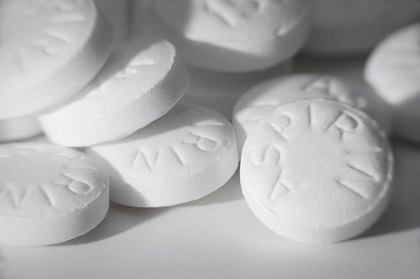
In some cases, an apple a day may keep the doctor away, but for people with diabetes, regular, over-the-counter Aspirin may also do the job.
A new study researcher Scot Simpson has shed light on the use of Aspirin as a preventative measure for cardiovascular disease and reoccurrence in patients with diabetes.
The study collected data from clinical trials that looked at whether taking Aspirin as a course of treatment would prevent a first or recurrent heart attack or stroke.
Using information from diabetic patients in these studies, Simpson discovered that patients with previous cardiac episodes who were taking a low dose of Aspirin daily had very little benefit in terms of prevention of a second heart attack or a decreased risk of mortality. However, in patients taking higher doses of Aspirin, the risk of a repeat heart attack and/or death was significantly lower.
“We took all of the data from 21 studies and focused specifically on diabetic patients who had suffered a previous heart attack or stroke to measure the ability of Aspirin to prevent a second event. We found that, if those patients took up to 325 milligrams of Aspirin per day, they had a 23 percent lower risk of death,” said Simpson.
Simpson, says that people with diabetes are at an increased risk of cardiovascular disease, adding there is evidence that suggests as much as 60 per cent of deaths in diabetics are attributable to heart disease. Simpson says he always suspected the Aspirin dosage could play a role in treating cardiovascular disease in diabetics and felt because Aspirin was an over-the-counter medication, it’s something that pharmacists could have an active role in administering.
“The pharmacists’ best role for chronic disease management is working proactively with physicians and patients,” said Simpson. “Whether that means working directly with the physician, and consulting about prescribed medications, or when the patient is deciding about whether or not to take Aspirin as part of a treatment plan, pharmacists can have a significant, positive impact.”
Source: Science daily
N.H.Kh