
White rice increases risk of Type 2 diabetes, study claims
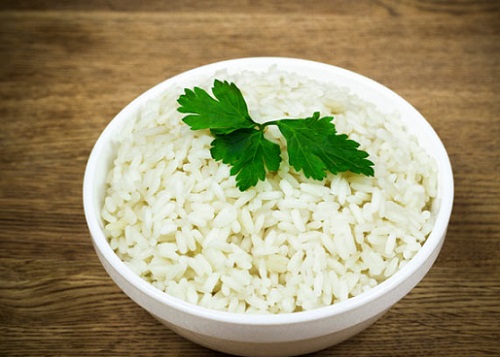
The risk of type 2 diabetes is significantly increased if white rice is eaten regularly, claims a study.
The authors look at previous studies and evidence of the association between eating white rice and the risk of type 2 diabetes. Their study seeks to determine whether this risk is dependent on the amount of rice consumed and if the association is stronger for the Asian population, who tend to eat more white rice than the Western world.
The authors analysed the results of four studies: two in Asian countries and two in Western countries. All participants were diabetes free at study baseline.
White rice is the predominant type of rice eaten worldwide and has high GI values. High GI diets are associated with an increased risk of developing type 2 diabetes. The average amount of rice eaten varies widely between Western and Asian countries, with the Chinese population eating an average of four portions a day while those in the Western world eat less than five portions a week.
A significant trend was found in both Asian and Western countries with a stronger association found amongst women than men. The results also show that the more white rice eaten, the higher the risk of type 2 diabetes: the authors estimate that the risk of type 2 diabetes is increased by 10% with each increased serving of white rice (assuming 158g per serving).
White rice has a lower content of nutrients than brown rice including fibre, magnesium and vitamins, some of which are associated with a lower risk of type 2 diabetes. The authors report, therefore, that a high consumption of white rice may lead to increased risk because of the low intake of these nutrients.
In conclusion, the authors state that “higher white rice intake is associated with a significantly elevated risk of type 2 diabetes.” This applies for both Asian and Western cultures, although due to findings suggesting that the more rice eaten the higher the risk, it is thought that Asian countries are at a higher risk. The authors recommend eating whole grains instead of refined carbohydrates such as white rice, which they hope will help slow down the global diabetes epidemic.
Source: Science daily
N.H.Kh