
The archeological excavation in al Mtouna village
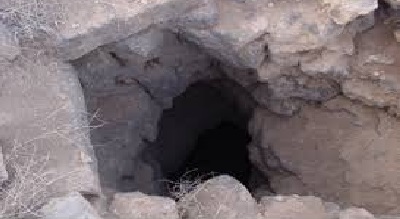
Al-Mtouna is one of al-Sweida villages which are full of historical ruins due to its location in al-lajah district which extends between Damascus, Daraa, and Sweida.
The historical importance of the village came from its location which is considering as a real geographical link between Horan hills and the al-lajah famous basalt area which is known as Wadi al-lowa.
The village which is locates 845 over the sea level on the north of sweida occupied throughout history a distinguished position between the the 7th and 8th century BC, namely in the al-Ashoreen period but the ruins in the village related to further than one historical period including the al-Nabatia, al-kna’aniea, Romanian, Greeks, al-Ghassanie, Bezant and finally the Islamic period.
In the village of al-Mtouna we found ruins that are referring to farther than historical period namely, the Bezant churches and the Romanian houses in addition to arches, pottery tools, columns with decorated crowns.
The Greek statues also spread in the village in order to cemeteries that are related to the 2nd millennium BC.
the funeral furniture which were with the pottery bones jars also including pottery glasses, bottles, jars, dishes, in addition to a belt from bronze which its name was at that period “togal ban ”
The excavation works also discovered the existence of fence, towers and citadel that are related to the Romanian period in addition to narrow streets from the Bronze period which lasted from the 3rd to 9th BC.
The village’s excavation also founded many pottery jars which full of bones of children, men and woman.
 Moreover the latest excavation in the village of al-Mtouna refer to the existence of two old cities but the modern construction works worked key role in distorting the archeological face of the village.
Its note worthy that the ruins of al-Mtona are like the ruins of of Bosra, ah-Salheia hill, Yabroud, and Ugarit “ras shamra”.
There are also two important archeological sites in the village they are Rahem al-Aeis and Mushat al- Arab. The two archeological site including ancient archeological stores for grains underground and maney various graves which were made locally from the raw materials of the district and other which were made in Egypt.
The graves are clear clue on the village advanced commercial position at that time due to the active import and export relation with Egypt.
It’s to be noted also that there are further excavation in the village that are related to the Stone Age.
The excavations which are related to the Stone Age are like the founded ruins in al-Latamia archeological site in the Orontes valley.
nahla maaz for the Syria Times.