
Ant queens stay close to home in their hunt for a mate
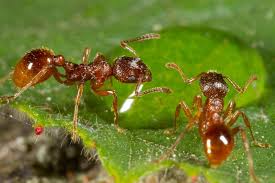
Ant queens stay close to home in their hunt for a mate and as a result produce thousands of inbred offspring, a study has found.
The research, found that that the queen will often only fly as far as 60 metres before finding a mate, and as a result may well be related to him. A queen mates only once, can live up to 30 years, and will continue re-producing long after her male mate is dead using the original sperm.
The one mating flight will therefore determine the fate of a colony for decades to come. Inbred colonies will produce fewer offspring and a queen who is herself inbred will have a much shorter lifespan.
In most ant species winged queens and males leave their colony to find a mate and this is thought to prevent inbreeding, so researchers have been puzzled by the fact that wild flying ant colonies were found to include inbred workers. This new study provides an explanation.
“Ninety per cent of queens flew a half a mile or less from their natal colony, with 60 metres being the average. Males flew further, 140 metres on average, probably because they are lighter and more agile than queens. Such differences between sexes are common in animals, and reduce the chances for inbreeding. Yet, with dispersal being limited, the sex difference in dispersal behaviour did not prevent inbreeding,” she said.
Dr Vitikainen thinks that one explanation for the behaviour is that winged ants mature at different times in different colonies, limiting the pool of potential mating partners on a mating flight. As a result of this the queen would be force to find a mate closer to home and one to whom she may well be related.
“Inbreeding brings harmful effects in its wake. Understanding how animals disperse and avoid mating with relatives is therefore of crucial importance,” she added.
“Ants are a really important part of the ecosystem, and they are vulnerable to habitat change and loss of genetic diversity. A colony may have thousands of workers, yet the numbers deceive: the workers are sterile and daughters of just one queen and her long-dead male mate, whose sperm she has kept alive in a storage organ.”
The researchers collected newly mated ant queens and used genetic markers to trace the natal colony of queens and males (colony fathers). This allowed researchers to calculate the metric distances the ants had flown, and also to assess how closely related the mating partners were.
Source: Science Daily
N. H .Kh