
Climate change could leave amphibians high and dry
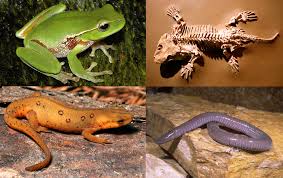
Far above the wildfires raging in forests, a less noticeable consequence of this dry year is taking place in mountain ponds. The minimal snowpack and long summer drought that have left lowlands parched also affect the region’s amphibians due to loss of mountain pond habitat.
“This year is an analog for the 2070s in terms of the conditions of the ponds in response to climate,” said Se-Yeun Lee, research scientist.
“We’ve seen that the lack of winter snowpack and high summer temperatures have resulted in massive breeding failures and the death of some adult frogs,” said co-author Wendy Palen, an associate professor who has for many years studied mountain amphibians. “More years like 2015 do not bode well for the frogs.”
Mountain ponds are oases in the otherwise harsh alpine environment. Brilliant green patches amid the rocks and heather, the ponds are breeding grounds for Cascades frogs, toads, newts and several other salamanders, and watering holes for species ranging from shrews to mountain lions. They are also the cafeterias of the alpine for birds, snakes and mammals that feed on the invertebrates and amphibians that breed in high-altitude ponds.
The authors developed a new model that forecasts changes to four different types of these ecosystems: ephemeral, intermediate, perennial and permanent wetlands. Results showed that climate-induced reductions in snowpack, increased evaporation rates, longer summer droughts and other factors will likely lead to the loss or rapid drying of many of these small but ecologically important wetlands.
According to the study, more than half of the intermediate wetlands are projected to convert to fast-drying ephemeral wetlands by the year 2080. These most vulnerable ponds are the same ones that now provide the best habitat for frogs and salamanders.
“It’s hard to truly quantify the effects of losing these ponds because they provide so many services and resources to so many species, including us,” Ryan said. “Many people have predicted that they are especially vulnerable to climate change. Our study shows that these concerns are warranted.”
Source: Science daily
N.H.Khider