
East of the Euphrates may change Syrian economy
Economic development expert Hassan Al-Kadhib, believed that the signing of the merger agreement for the eastern regions could mark a turning point in the Syrian economy.
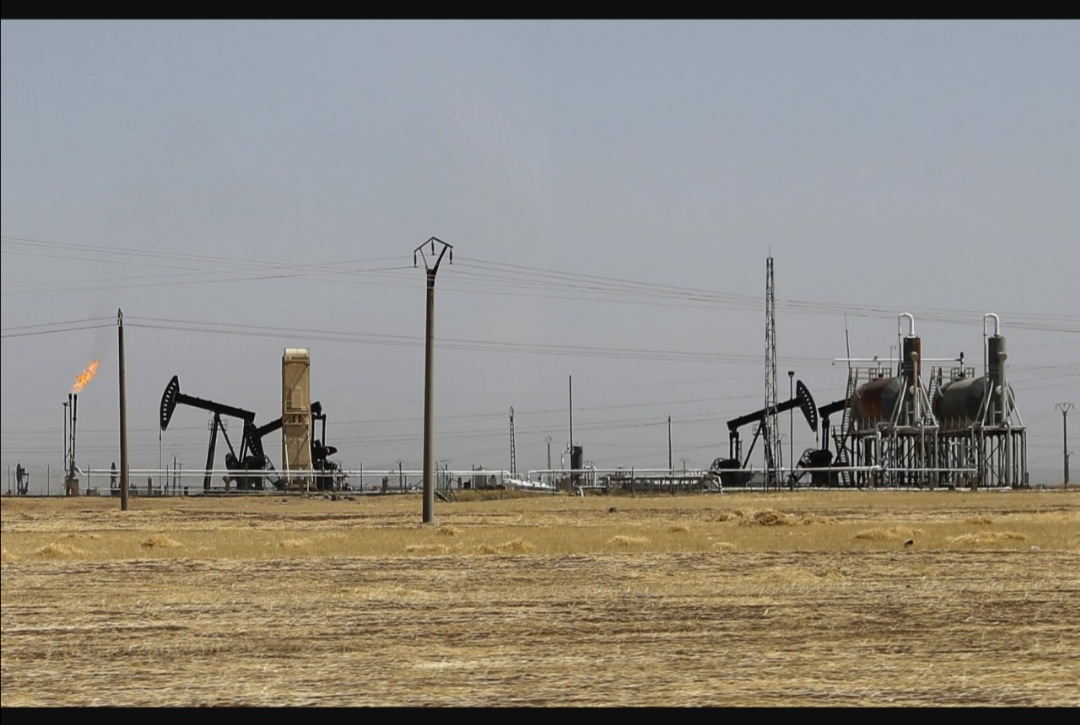
The East of the Euphrates region in Syria boasts important economic and agricultural resources, including oil and natural gas, as well as diverse agricultural production such as wheat, cotton, and vegetables.
The region is also rich in livestock and water resources from the Euphrates River, which supports agriculture and industry.
He considered that these resources could contribute to strengthening the Syrian economy by increasing export volumes and assisting in reconstruction.
However, realizing these potentials requires ensuring security and stability, as well as significant investments in infrastructure, particularly in rehabilitating oil fields.
Engineer Al-Kadhib pointed out that despite the potential benefits, the agreement faces challenges related to administrative and political coordination between the concerned parties.
The success of this agreement depends on cooperation and commitment from all parties to ensure the achievement of the desired goals. Additionally, the agreement may open avenues for cooperation with allied countries, either through infrastructure development agreements or financing projects for oil and gas extraction and processing.
He added this could reshape the economic map of Syria and ease the severity of the energy crisis, which casts a shadow over various productive sectors in the country.
The agreement represents an important step toward achieving a more cohesive and sustainable economy in Syria. Despite the potential challenges, cooperation between the concerned parties could pave the way for the revival of the Syrian economy and the attainment of the desired stability.
Rawaa Ghanam