
Accelerating Economic Recovery is Critical to Reversing Syria’s Decline and Restoring Stability, UN report says
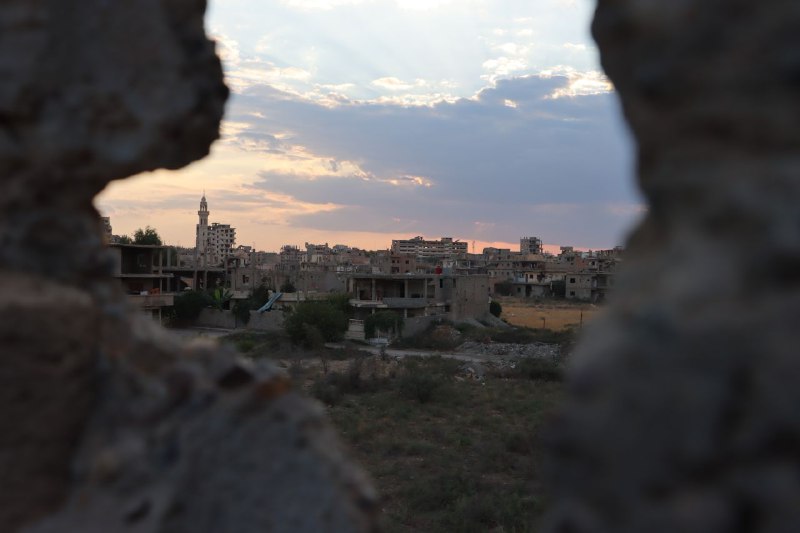
A UNDP report on Syria revealed some facts about the socio-economic situation in the country.
The report, titled “The Impact of the Conflict in Syria: a devastated economy, pervasive poverty and a challenging road ahead to social and economic recovery”, estimates that nine out of ten Syrians now live in poverty.
The country’s GDP has shrunk to less than half of its value since the start of the conflict in 2011, and unemployment has tripled. The report argues that recovery requires a clear national vision, in-depth reforms, and effective coordination among institutions.
It also states that expanding market access is crucial for Syria’s economic recovery. Impacts of the conflict Building upon findings of sources, the report highlights the following impacts: GDP loss of US$800 billion is estimated over 14 years of conflict. Three out of four people depend on humanitarian aid and need development support in the essential areas of health, education, income poverty, unemployment, food insecurity, water and sanitation, energy, and housing.
The poverty rate has nearly tripled from 33 percent before the conflict to 90 percent today, while extreme poverty has surged six-fold, from 11 percent to 66 percent.
The conflict has resulted in nearly 618,000 deaths and 113,000 disappearances.
Many lives may have been lost due to the collapse of the health system —as one-third of health centres were damaged and nearly half of ambulance services disabled. Between 40-50 percent of children aged 6 to 15 years are not attending school.
Almost one-third of all housing units were either destroyed or severely damaged during the conflict years, leaving 5.7 million people in Syria in need of shelter support today.
Over half of water treatment plants and sewer systems are damaged or non-operational, leaving nearly 14 million people – half the population – without clean water, sanitation, and hygiene.
Energy production has fallen by 80 percent, with over 70 percent of power plants and transmission lines damaged, reducing the national grid’s capacity by more than three-quarters.