
The second anniversary of the Devastating Earthquake in Syria
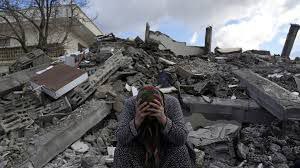
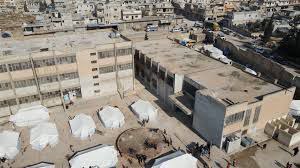 On February 6, 2023, a devastating 7.8 magnitude earthquake struck southern Turkey and northwestern Syria, followed by several aftershocks. It is the strongest to hit Syria in more than eight centuries.
The last earthquake of similar magnitude was the Damascus earthquake in 1202 AD, estimated at 7.4 to 7.6 magnitude, which killed an estimated 30,000 people.
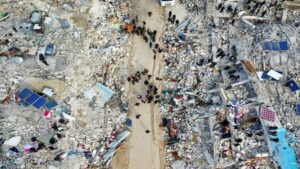 The February 2023 earthquake claimed the lives of thousands of Syrians and injured thousands more. It added to the suffering of the Syrian people, who have suffered from a war that lasted more than a decade, causing a humanitarian crisis and economic collapse.
The earthquake damaged hundreds of health facilities, schools, water and sewage systems, and electricity networks, exacerbating the vulnerability of millions of Syrians, including internally displaced persons.
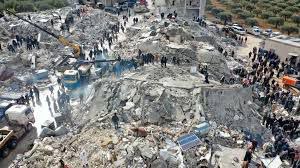 The question was how long it would be before the suffering of displaced Syrians, who were once again homeless, ended, this time due to a natural disaster rather than a man-made one? When will they be able to live a normal life with basic amenities such as water, food and shelter? No one knows the answer.
With the continued aftershocks and earthquakes in Syria, the people became in need of psychological and moral support in order to overcome the post-earthquake shock disorders.
More than 123 residential communities, villages, towns and cities in the Syrian regions were damaged, and more than 100,000 families were displaced and homeless in Syria after the earthquake hit large areas of the country.
The people also set up their tents in the roads and squares near their homes, and in agricultural lands, while dozens of schools were used as temporary shelters in the governorates of Idlib, Aleppo, Latakia and Hama.
As for the relief campaigns, they reached the affected areas, but they were not sufficient to provide the basic needs of the people and the necessities of children, infants and the elderly.
Aourwa Deep