
833 billion Syrian pounds is the investment volume in the Sheikh Najjar Industrial City in Aleppo
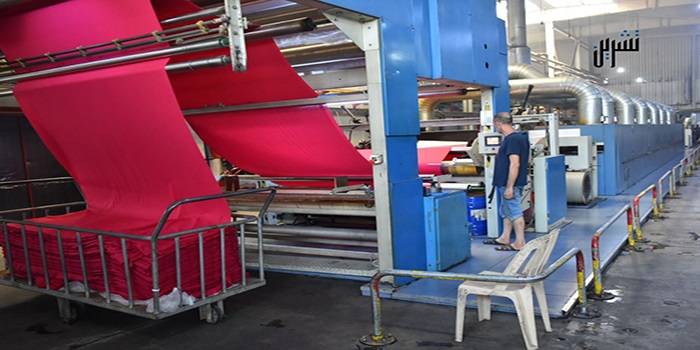
The city of Aleppo, known as “capital of the Syrian economy”, especially in the industrial city of Sheikh Najjar, is witnessing a major transformation after long years of war, as Investment Law No. 18 of 2021 entered into force, which aims to create a competitive investment environment to attract capital to provide a package of incentives, facilities and exemptions that will attract investments and restore life to factories and companies.
The investment law comes after the war years destroyed more than 80% of industrial facilities, and their machines were stolen, and what preceded it was the issuance of Law No. 47 of 2019 related to improving the investment climate, which promises to open new horizons for creating job opportunities and increasing national income.
The director of the Sheikh Najjar Industrial Zone in Aleppo, Eng.Hazem Ajjan, indicated that investment in the industrial city of Aleppo is continuing and the graph is rising, as the number of allocated plots to date has reached 4844 plots of various types of industries.
In turn, Bashar Fattal, Director of Investment in the Sheikh Najjar Industrial Zone, revealed that the number of building permits reached 3630, 59 of which were granted this year, and that the number of those directly involved in construction was 1346, 125 of whom started this year, while the volume of investment reached 833 billion Syrian pounds.
Fattal stressed that the industrial city in Sheikh Najjar is characterized by the availability of electricity 24 hours a day, in addition to the presence of two types of water (drinking water and industrial water), prepared for use in the industrial field.
Industrialist Mohammed Sabbagh stated that Investment Law No. 18 had a positive impact on industrialists, through its inclusion of customs incentives in terms of exempting imports of machinery, equipment, production lines, and service means of transportation for investment projects, in addition to financial exemptions on imports of means of production and raw materials of up to 50%.
Sabbagh indicated that the study of industrial electricity prices must be reconsidered , in addition to considering the difficulty in foreign currency, as the output of the investor’s production process is allocated as part for export and for local markets.
Sabbagh stressed the need to include the Syrian industrialists who have suffered from the war in some provisions of the investment law, the most important of which are the provisions of financial and tax exemptions for a period that the government deems appropriate within the industrial cities spread across Aleppo Governorate.
Najla Khoury