
Wisdom Comes With Experience: Syrian Proverbs as an Oral Heritage of the Syrian Culture
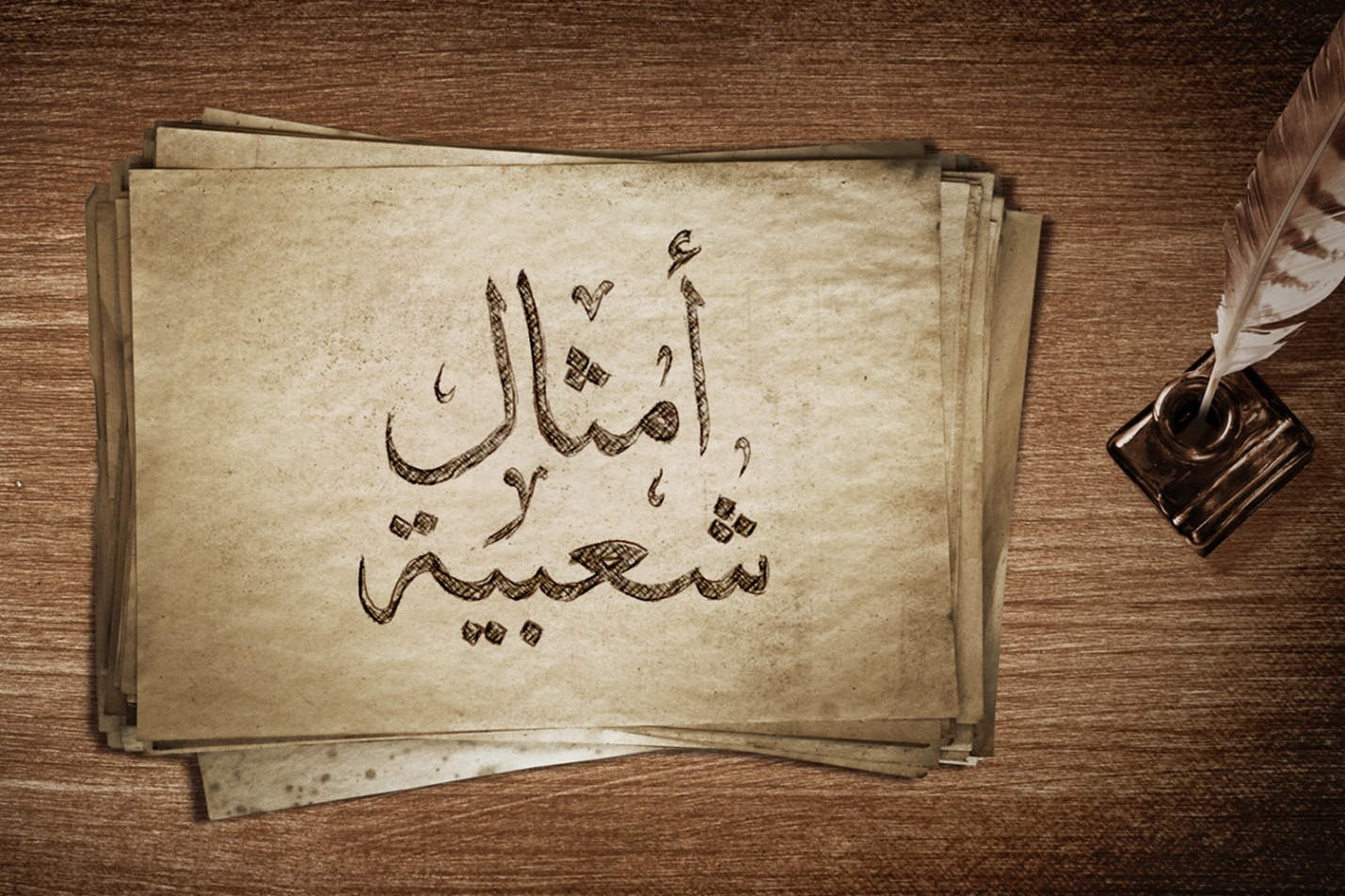
“Wisdom comes with experience and experience comes with years” (الحكمة تأتي بالتجربة والتجربة تأتي بالسنين)
Proverbs are short and memorable sayings that express a general truth or advice, based on the experience and observation of the people who created them. They are a form of human wisdom that is passed down from generation to generation reflecting the values, beliefs, and identities of different cultures and societies. Proverbs can be associated with a kind of wisdom or sarcasm, showing the value systems and accumulated knowledge of a culture and how it deals with various situations and challenges in life.
Syrian culture has many proverbs that reflect its history, traditions, and diversity, which are derived from various sources, such as history, religion, literature, folklore, and everyday life. They have also been influenced by the diversity and interaction of different ethnic and religious groups in Syria, such as Arabs, Kurds, Armenians, Assyrians, and others.
Syrian proverbs cover various themes and topics, such as wisdom, solidarity, social life, patience, friendship, and humor. Syrian proverbs are used to communicate, educate, and entertain, as well as to express opinions, emotions, and attitudes, and are vastly used to encourage coping with the hardships and uncertainties of crisis and to preserve and promote the cultural heritage and identity of Syria.
In this article, we will explore some of the examples and meanings of Syrian proverbs, and how they reflect and convey the wisdom and culture of Syria. We will categorize the proverbs according to their themes and topics, and we will use subtitles inspired by Syrian proverbs:
Which Feeds One Feeds Two:
(يلي بيطعمي واحد بطعمي اثنين) This shows the Syrian people’s value of generosity and kindness and their belief that giving and helping others is a blessing and a reward. This reflects the compassion and altruism of the Syrian culture and its respect for the needs and rights of every person, implying a sense of abundance and gratitude that they do not hesitate to share what they have with others, even if they have little.
The themes of solidarity and hospitality are frequently found in Syrian proverbs, which are essential aspects of Syrian social life and qualities that are valued and praised in Syrian culture, as they are seen as signs of warmth, generosity, and respect. They are also necessities, as they help to maintain and strengthen the relationships and the reputation that are essential for life; especially in times of crisis and conflict, such as the current situation in Syria, where many people have been displaced, injured, or killed. Solidarity and hospitality are ways of showing support, compassion, and dignity to those who are suffering and in need. Some of the proverbs that illustrate the importance and benefits of solidarity and hospitality are:
- A small house is enough room for a thousand friends. (بيتالضيق بيوسع الف صديق)
Showing the Syrian people value friendship and hospitality more than material wealth and comfort, and that they believe that happiness and joy come from sharing and caring for others, which reflects the warmth and generosity of the Syrian culture and its respect for social bonds and ties that unite the people.
- Paradise without people cannot be stepped in or lived in. (الجنةبلاناس ما بتنداس)
Syrian people believe that life is meaningless and worthless without people, reflecting the importance and necessity of solidarity and community in the Syrian culture.
- The guest’s house is God’s house. (بيت الضيف بيت الله)
The Syrian people value hospitality and honor and believe that the guest is sacred and should be treated with the utmost respect and warmth, which reflects the faith and devotion of the Syrian culture and its respect for the divine and the sacred in every person.
Solidarity and hospitality are valued and respected in Syrian culture, and they have a direct impact on how happy and comfortable people are living together. They are moral and ethical qualities, as they are associated with God and sustenance.
Your Neighbor is Your Mirror:
Inspired by a Syrian proverb: “Your neighbor is your mirror” (جارك مرآتك), which means that your neighbor reflects your own behavior and attitude and that you should treat your neighbor as you would like to be treated. Neighbors and neighborhoods are essential aspects of Syrian culture, as they represent the sense of community, solidarity, and respect that characterizes the Syrian people. Neighbors are not only the people who live close to you, but also the people who share your values, beliefs, and identity, and those who support and protect you in times of need and crisis, such as the current displacement that Syria is facing. Therefore, having good neighbors and a good neighborhood is a treasure that adds immense value to your life and well-being.
- If your neighbor is fine, you are fine. (إذاجارك بخير أنت بخير)
This proverb means that your well-being depends on your neighbor’s well-being, so you should care for and help each other. It encourages empathy and cooperation and suggests that you and your neighbor are interdependent and connected.
- The neighbor before the house. (الجارقبل الدار)
This proverb means that a good neighbor is more important than a good house, so you should look for a friendly and trustworthy neighbor before you buy or rent a house. It encourages prudence and foresight and suggests that your neighbor can make your life easier or harder depending on their behavior and attitude.
- A good neighbor is better than a distant brother. (الجارالقريب ولا الأخ البعيد)
This proverb means that a good neighbor is closer and more supportive than a brother who lives far away, so you should appreciate and befriend your neighbor. It encourages loyalty and gratitude and suggests that your neighbor can be like a family member to you.
These proverbs show that neighbors have a direct impact on how happy and comfortable you are living somewhere. They also show that you have a responsibility and a role to play as a neighbor and that you should treat your neighbor as you would like to be treated.
Ask One Who Has Experience Rather Than a Physician:
Common sense, knowledge, and wisdom are essential aspects of the Syrian culture, as they represent the practical and realistic approach to life that characterizes the Syrian people. they are seen as signs of intelligence, competence, and rationality. Those condensed messages in proverbs help solve problems and make decisions that are simple and effective; and are ways of learning from experience and observation, and of benefiting from the advice and guidance of those who have more knowledge and wisdom.
- Ask one who has experience rather than a physician (إسأل مجرب ولا تسأل حكيم)
This proverb means that experience is more valuable than formal education, and that practical knowledge is more reliable than theoretical knowledge. wisdom comes from learning from life and reality, and from observing and listening to those who have been through similar situations or challenges. This proverb reflects the importance, necessity, and respect for the wisdom and experience of the elders and the experts. This also implies that the Syrian people have a sense of curiosity and humility, and that they are willing to seek and accept help and information from others, rather than relying on their limited knowledge or authority.
- Every knot has someone to undo it. (كل عقدةولها حل)
This proverb means that every problem has a solution, so never be desperate. It encourages optimism and hope and suggests that there is always a way out of any difficulty or challenge. We use it to comfort and motivate someone who is facing a hard or complicated situation, and to remind them that they are not alone and that someone can help them or guide them to the solution.
- A better one in another one. (خيرها بغيرها)
If you missed a chance or an opportunity, you always have another chance, never be desperate, there is always a second chance. It encourages resilience and perseverance and suggests that there is always a possibility of improvement or success. We use it to console and encourage someone who has failed or lost something, and to remind them that they can try again or find something better.
- A bird in the hand is better than ten on the tree. (عصفورباليد ولا عشرة على الشجرة)
This proverb means that you should get use of what you have in your hands and benefit from your own resources and that you should not be greedy or unrealistic, encouraging satisfaction and gratitude, and suggests that what you have is more certain and valuable than what you do not have. Syrians use it to warn and teach someone who is tempted or dissatisfied and to remind them that they should appreciate and make the best of what they have.
Patience
One of the themes that is frequently found in Syrian proverbs is patience. Patience is a virtue that is valued and praised in Syrian culture, as it is seen as a sign of strength, maturity, and faith. Patience is also a necessity, as it helps to endure and overcome the difficulties and challenges that life may bring. Some of the proverbs that illustrate the importance and benefits of patience are:
- Patience is the key to relief. (الصبرمفتاح الفرج)
- He who is patient will achieve. (اللي بيصبر بينول)
These proverbs suggest that patience is a way of coping with adversity, poverty, and injustice and that patience leads to reward, success, and satisfaction. These proverbs also imply that patience is a moral and ethical quality, as it is associated with the truth and opposed to falsehood.
The Art of Ending Well: Lessons from Syrian Proverbs and History
In this essay, we have seen how the Syrian culture and its oral heritage are rich in wisdom, diversity, and history. We have explored some of the proverbs that reflect the values and beliefs of the Syrian people, and how they can inspire us to live better lives.
One of the most important lessons that we can learn from the Syrian culture is the art of ending well. As the Syrian proverb says, (وختامها مسك), the end smells as good as the musk. This means that we should always strive to end things with grace and fragrance, leaving a pleasant and lasting impression on ourselves and others. Ending well can help us stay in the present, appreciate what we have, express gratitude, and cope with loss.
We hope that this essay has left you with a pleasant and lasting impression of Syria, and that you will continue to learn more about this fascinating country and its people. We also hope that you will apply the art of ending well in your own life, and enjoy the beauty and flavor of every moment. Thank you for reading!
Lama Alhassanieh