
Many people turn to the remaining Hammams in Syria to bathe
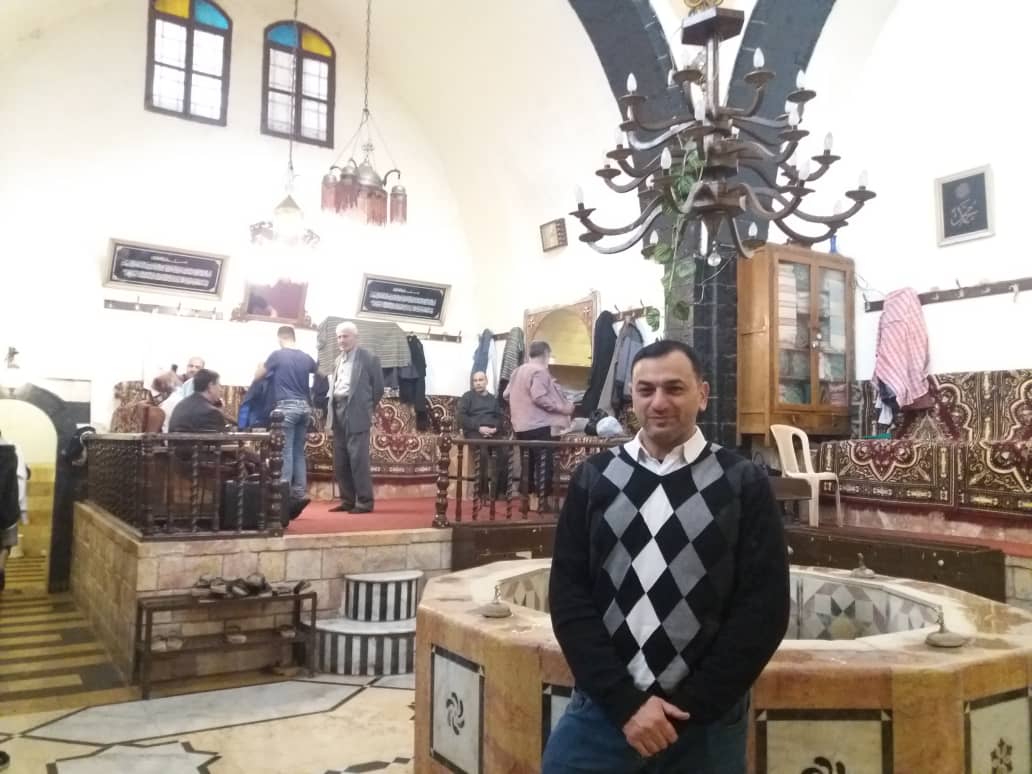
Syria’s ancient public baths, known as Hammams, are picking up steam again due to prolonged power outage and soaring fuel prices that have made hot showers at houses a luxury during a cold winter in the country.
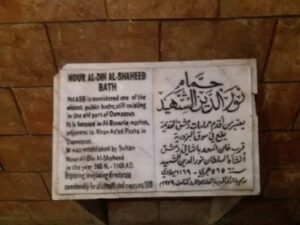
Many people are turning to the remaining Hammams in Damascus, including the “Nour Al-Din Al-Shaheed” Bath, which was one of the oldest public baths, founded in 1169 in Al-Bzoreyeh Market in Damascus.
 “Instead of Arab and foreign tourists who were coming to baths for entertainment and relaxation, it is now residents who come in more frequently to bathe because of the power cuts that have reached 20 hours a day this year as a result of severe diesel shortages,” the Director of the “Nour Al-Din Al-Shaheed” Bath, Mr. Mahmod Hammami, told Syria Times.
Mr. Hammami, whose family has more than 200 years of experience in public baths told us: “ Public baths are composed of three areas: hot steam room with a large marble stone where bathers lay as workers scrub them and administer massages; a warm room for bathing; and a cool room for resting…When a client enters the bath, the attendant welcomes him and gives him a towel and clogs and wraps his waist, shoulders and head in smooth white cloth before the client returns to the entrance area….During the bath period a hot herbal drink or tea will be offered upon the request of the client… The cost of taking a bath ranges between 12,000 and 22,000 Syrian pounds according to the type of oil used in massage and the type of soap and shampoo…The bath takes 2 hours”
He went on to say: “Hammams were places where major life events were celebrated, and bathing rituals were incorporated into weddings and births. As you know, in the past, old Syrian homes were not designed to include bathrooms. So men and women, on separate days, would go to the baths in their neighborhoods”.
Of the 60 Hammams in Damascus, only 20 remain in operation as some of them were destroyed while the others were turned into restaurants or other places, according to Mr. Hammami, whose main profession is a lawyer but who has managed the public bath after the death of his father with the aim of keeping this tradition alive.
He pointed out that the rituals of taking bath for men and women are not the same because there are salons in women baths for removing hair by wax and cleaning eyebrows.
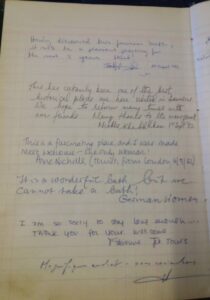
Mr. Hammami concluded by saying: “Public baths have been a staple of the Syrian people’s life and they flourished from 1980 until 2006. We have a notebook for Arab and foreign visitor in which they recorded their impressions of the ancient bath.”
At Al-Bzoreyeh market, we interviewed a father, who was about to enter the bath. He said: “At home, priority is for children, and if there is some hot water left, my bath is quick and unsatisfying. So I come to the public bath twice a week.”
Abo Khaled, a 60-year-old grandfather, is a regular client said: “I come to the bath at least once a month for a good prolonged bath.”
Another client expressed his concern over the possibility of the closure of baths due to fuel severe shortage.
Interviewed by: Basma Qaddour