
Syrian food products facing economic war, manufacturing obstacles
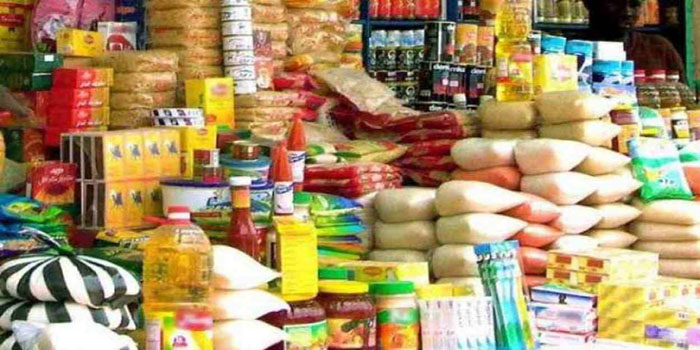
The Syrian food products have always been known for their quality and competitiveness and they have been highly demanded in several markets abroad. However, these products are facing unfair economic sanctions and some manufacturing obstacles that impede production and exportation.
In a statement to “Tishreen” newspaper, the Syrian Ministry of Industry Zeyad Subhi Sabbagh said that there are many obstacles that are still facing the Syrian products in the light of the economic war launched by western countries on Syria to weaken the country’s ability to export its products, although they meet all international specifications.
He said that the Syrian products, mainly food materials, rank first in terms of internal production and exportation, reiterating the need to create objective circumstances for all industrial facilities so that they can produce according to world food rules and constitutions.
According to Talal Qal’aji, Head of the food sector at the Damascus Chamber of Industry, Syria exports its food products to 80-120 countries. Its food industries, mainly tinned food, are greatly demanded by foreign markets, due to their quality and suitable prices, and thus, they have become Syria’s main exports to the world.
However, Qal’aji clarified, these exports decreased during the past period due to high production costs and difficulties in securing raw materials.
He went on to say that there is no shortage of any food materials in the local markets, rather, there is a surplus that can be exported and its revenues support the national economy and contribute to alleviating the impacts of the economic war.
He pointed out that one of the indications of economic recovery is the increase in the number of food facilities from 300 to 800, clarifying that a big part of the Syrians’ local consumption is produced in the country by Syrian hands in an attempt to limit the imports to some raw materials.
Iraq is a main market for most of the Syrian products, followed by Libya, some Gulf countries and then several European states, Qal’aji said.
Hamda Mustafa