
Obama, in new interview, seems to lean away from Syria intervention
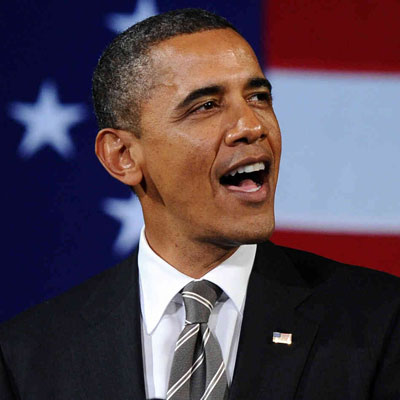
 President Obama gave an exclusive interview to The New Republic’s editor, Franklin Foer, and its new owner, Chris Hughes, which the magazine published as part of its re-launch. They mostly discussed domestic policy – his comments on gun control have already made news – but the last question, from Hughes, was about Syria.
“I wonder if you can speak about how you personally, morally, wrestle with the ongoing violence there,” Hughes, a Facebook co-founder and former Obama adviser, asked. Obama’s careful response didn’t break any news, but it seemed to strongly suggest that his current thinking is that a military intervention would be too costly or counterproductive.
Obama framed the question on what to do about Syria as one of “where and when can the United States intervene or act in ways that advance our national interest, advance our security and speak to our highest ideals and sense of common humanity.”
This is the really telling part: Obama listed some of the smaller questions that guide his thinking on Syria, all of which seem designed to weigh the potential downsides of an intervention in Syria, rather than the upsides or even how he would go about executing it. Here’s that section of his answer:
And as I wrestle with those decisions, I am more mindful probably than most of not only our incredible strengths and capabilities, but also our limitations. In a situation like Syria, I have to ask, can we make a difference in that situation? Would a military intervention have an impact? How would it affect our ability to support troops who are still in Afghanistan? What would be the aftermath of our involvement on the ground? Could it trigger even worse violence or the use of chemical weapons? What offers the best prospect of a stable post-Assad regime? And how do I weigh tens of thousands who’ve been killed in Syria versus the tens of thousands who are currently being killed in the Congo?
It’s hard to imagine how any of those questions could lead Obama to support an armed intervention; the implicit message of each one seems to be, “Wouldn’t intervening have catastrophic downsides that outweigh any upside?”
Were Obama actively considering an intervention at this point, you might expect him to be pondering questions about execution: How do we prevent Russia and China from vetoing any United Nations Security Council resolution? Who can the U.S. partner with in Syria? What are the lessons of Libya, where the U.S. supported an intervention, rather than of the Democratic Republic of Congo, where it has not?
The answers to those questions might still auger against intervention, but they’d at least suggest an interest in figuring out whether it was possible or how to do it. It seems likely that Obama was asking those questions at some point, but at the moment of this interview at least, he’s not vocalizing them.
Source: The Washingtonpost/ Posted by Max Fisher
B.N.