
Wood inlaying a magnificent Syrian heritage handicraft
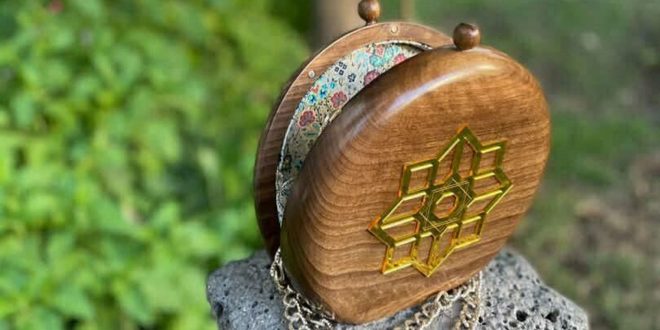
The Damascene wood mosaic craft is one of the oldest and most distinguished traditional handicrafts in Damascus. The craft of inlaying wood with mother of pearl is a craft that requires a lot of patience, accuracy and hobby in the first place, in addition to long experience to learn its secrets and access to a product that carries the craftsman’s creativity through delicate decorations and cursive writings, through which he tells a story he wants to convey in an attractive artistic way.
For centuries, Syrians have become masters of design. Their intricately cute, delicate handicrafts have been made of various tints and cuts of woods with fragments of mother of pearl, collaged together in a geometric style that is unique to Syria. These works, traditionally made in the form of mini-treasure chests, game boards, boxes and tables, have spread the Syrian culture and provided an income for generations.
The artisan Hussein Raz, who started working in the craft of inlaying wood about 12 years ago in his small workshop told SANA “There are many models that are manufactured manually, either invented by the craftsman’s own imagination or based on the ancient heritage and design which were famous during the states of Abbasid and the Ayyubid.”
Raz pointed out that the wood used for drilling differs in terms of its use or its ability to twist, some of which are moisture-resistant, and some are characterized by their flexibility, brownness, or ability to be polished, and the most types of wood used in this craft are walnut or beech wood.
He added “After choosing the appropriate wood, the stage of drawing begins on the butter papers that are printed and glued to the wood. Then comes the stage of manual engraving and downloading the abrasive seashells to suit the drawn inscription and is usually made of camel bones or seashells”.
The final stage , according to Raz, is carving the inlaid wood to become smooth and polished by wiping with Al-Bardagh oil to keep its natural color.
 As for the products that he manufactures, he explained that they are wooden bags inlaid with mother of pearl, which receive demand inside and outside Syria, in addition to trays, indicating that he promotes his products through exhibitions, bazaars and social media.
Razreferred that there are many craftsmen who left Syria as a result of the war and the sabotage of their facilities by the terrorist groups, stressing they are very fond of their profession and are looking forward to returning to their facilities and re-launch production.
Regarding the difficulties, he said, they are those facing all artisans including securing raw materials for work, as they are currently relied on old wood that is recycled due to the difficulty of importing so that the craftsman can export the production required greatly by many countries.
The craftsman Raz expressed his readiness to teach the craft to everyone who finds in himself the talent and desire, indicating that it is best to learn the craft from a young age because it is one of the crafts that requires patience,endurance to give the piece its right at every stage of the work.
He expressed his confidence that this craft will not disappear because it possesses, in addition to its heritage value, which has become part of the life of Damascenes, a high economic value that imposes itself on the markets.Raz expressed his desire to reach his products to all parts of the world because they express his feeling and the deep-rooted culture of his country.
Rawaa Ghanam