
“Qamaruddin”, a luxurious Syrian product with high nutritional and medical value
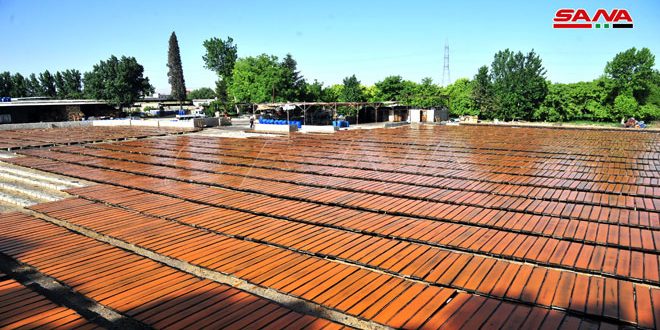
Damascus (ST): Syria is unique in great agricultural products, including “Qamaruddin” ( an apricot paste) whose production process begins in the sixth month of each year after the ripening of the apricot fruit to offer the world a distinguished product that has proven over hundreds of years that it has a high nutritional and medical value, in addition to the delicious taste of the drink that is served on tables in any time of the year, especially during the holy month of Ramadan.
The direct benefits granted by “Qamaruddin” are many including strengthening the health of the digestive system, increasing the body’s immunity and supplying it with energy, protecting the heart from diseases, preventing anemia, infections, iron deficiency, strengthening bones and teeth, improving the freshness of skin and hair, and compensating the body with vitamins. Nutrition expert Dr. Yasser Zainab, stressed that despite its great medical and nutritional benefits, it is necessary not to overeat, so that it does not cause weight gain, raise blood sugar levels, or cause any other digestive problems.
There are many accounts about naming “Qamaruddin” by this name, some of them say that the name goes back to the name of its inventor, and others say that when “Qamaruddin” was made for the first time, the apricot season in that year coincided with the sighting of the moon at the beginning of Ramadan, but it is certain that its name was launched from Syria, the original home of its production hundreds of years ago.
“Qamaruddin industry”, has spread in other countries, but the Syrian Qamaruddin, which is made in Damascus and its countryside, is still the best, as a variety of apricot trees grow in Syria that is the most suitable for making it, especially in Damascus Ghouta.Qamaruddin is mostly used as a drink and sometimes as a dessert,
K.Q.