
No-fly zone to play into extremists’ hands, impede intl. conference on Syria – Lavrov
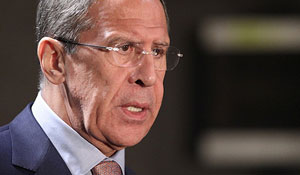
MOSCOW- Appeals for creating “humanitarian corridors” and a no-fly zone in Syria “concur” with the operations of extremists and impede the international peace conference for Syria, Russian Foreign Minister Sergei Lavrov said, according to the Voice of Russia.
“The adoption of various documents, which put the entire responsibility for the Syrian events on the Syrian authorities, the declared intentions to arm the militants, the appeals for a no-fly zone in Syria and the “humanitarian corridors” initiative do not help prepare the conference,” he said in an interview with the Kuwaiti news agency KUNA.
“Those who are taking these steps should realize that they actually concur with the field operations of Al Qaeda terrorists and other extremists who are also trying to impede the convocation of the conference and peace progress in Syria at large with cruel terror attacks, among them the manslaughter in the village Hatla in Deir Azzor,” the minister said.

Putin, Obama agree to push all Syrian sides to Geneva talks
On Monday, Russian President Vladimir Putin and US President Barack Obama agreed to push the sides of the ongoing conflict in Syria to the negotiating table in Geneva. The leaders made the pledge after a 2 hour meeting at the G8 summit.
“We have agreed to push the sides of conflict in Syria to come to the negotiating table at the international Geneva conference,” Putin was quoted by “Russia Today” as saying.
“On some points, we still have a different stance, but we are united by an aspiration to prevent violence and to solve the problem by peaceful means, including through negotiations at the international conference at Geneva,” the Russian President added.
President Obama confirmed that both countries have a shared interest in stopping the violence and “securing chemical weapons” in Syria.
“We do have differing perspectives on the problem but we share an interest in reducing the violence, securing chemical weapons and ensuring that they’re neither used nor are they subject to proliferation,” Obama said. “We want to try to resolve the issue through political means if possible.”
The majority of US citizens however are opposed to providing arms and military supplies to Syrian opposition forces, according to a poll released Monday by the Pew Research Center. Of those Americans polled, 70 per cent said they are not in favor of “sending arms to anti-government groups in Syria,” while the number of those who favor providing military support dropped to 20 per cent, down from 29 per cent in March of last year.
In addition to the discussion of Syria, during their nearly two-hour-long talks the presidents also touched on a number of sensitive issues including Iran, nuclear security and the prevention of nuclear arms proliferation, as well as cyber security and cooperation in fighting terrorism.
H. Mustafa