
5th Folklore Festival in Tartous highlights Syria’s heritage as a national treasure
Tartous, (ST) –The 5th Folklore Festival, which kicked off yesterday in the Syrian coastal city of Tartous marking the Syrian Heritage Days, presented several cultural activities that highlighted the need to preserve Syria’s rich heritage.
These activities included symposiums on the importance of the Syrian tangible and intangible heritage, in addition to folkloric dancing, Zajal poetry evenings and handicrafts exhibitions.
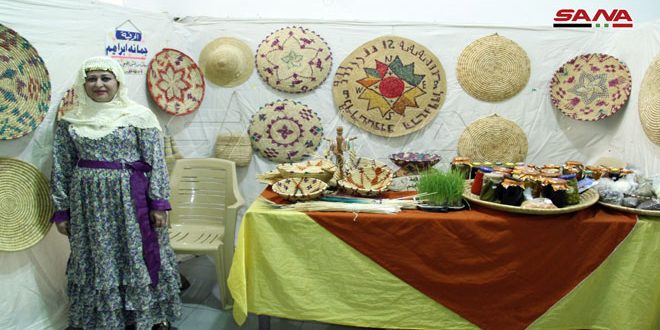
One of the catching scenes in the festival was the way through which part of the Syrian heritage was introduced. The craftsmen who are displaying their handicrafts were wearing the traditional folk costume that has prevailed in Syria for decades.
The 3-day festival is organized by the Directorate of Popular Heritage at the Ministry of Culture and the Directorate of Culture in Tartous.
The Assistant Minister of Culture Tawfiq Imam said during the opening ceremony of the festival that the event is a means to disseminate national awareness about the importance of cultural heritage and an opportunity for all to know about the civilization of their country. He stressed that the ministry is keen on maintaining the country’s genuine heritage as a national treasure.
Director of Tartous Culture Kamal Badran explained that the festival is held for the fifth consecutive year in order to shed light on the treasures of the rich Syrian heritage, including traditions and customs, crafts, arts and folk songs and dances.
 During the festival, the Tartous Folklore band presented several folkloric dance performances, including some inspired by coastal environment.
Munther Ramadan, head of the Culture and Information Office at the Tartous Artisans Union branch, pointed out that the festival presents in its exhibition this year ways of manufacturing some handicrafts, such as making straw dishes, distilling rose water and producing honey and natural silk directly in front of the festival’s visitors. The exhibition also showcased the folk costume that used to be worn by the locals in the coastal areas in the past. In addition, different crafts and heritage collections from the coastal region, including oriental heritage works, the loom, rugs and handmade carpets, were exhibited by 33 artisans.
Haifa Mafalani